
A roof lasts longer when the attic can breathe in and out.
Air comes in at the soffits and leaves near the ridge, and the two have to be in balance. We are Lomanco certified installers, our own crew does the work, and we change only what your attic actually needs. Most of what we find is a modest fix once somebody goes up and looks.
Intake and exhaust have to match, or neither one does its job.
An attic vents the way a chimney draws. Cooler outside air comes in low, through openings in the soffit under the eave, and warm, damp air leaves high, through vents at or near the peak. When the two are in proportion, air sweeps steadily across the underside of the whole roof deck, summer and winter, and the attic stays close to the temperature outdoors.
When they are out of proportion, the problems start quietly. Plenty of exhaust with too little intake means the vents up top pull replacement air from wherever they can find it, including the rooms below through ceiling gaps and light fixtures, which drags warm, moist house air into the attic. Plenty of intake with weak exhaust leaves hot air parked against the deck all summer.
So the first thing we do at the free roof look is take inventory. How much open intake is there once you see past the soffit panel? How much exhaust, and which kind? Those two answers tell us more about where your roof is headed than the shingles themselves do.
Older homes often carry a history of fixes layered one on top of another: louvered vents in the gable ends from the original build, a few box vents added by one roofer, a ridge vent cut in by the next. Each change made sense to somebody at the time. Taken together, they can leave an attic moving less air than it did when the house was new, and sorting that out is part of what the free roof look is for.
Soffit vents buried under the insulation.
The most common intake problem we find has nothing to do with the vents themselves. From the yard, the soffit looks vented, with perforated panel running along every eave. From inside the attic, the insulation has been blown or packed right out to the edge of the wall and is lying on top of the soffit, so almost no air gets through it.
It usually happens for a good reason. Somebody added insulation to cut the heating bill, which was smart, and nobody set baffles at the eaves first. The fix is to install vent baffles between the rafters in each bay. They hold the insulation back off the soffit and keep a clear channel for air to travel up into the attic. You keep every bit of the insulation and get your intake back.
Some homes have the opposite problem: solid soffit with no vents at all, or vented panel installed over solid wood that was never cut open behind it. We check from both sides, because the panel you see from the driveway says nothing about whether air is moving behind it.
Ridge vent, box vents, and why a roof should carry one kind.
Exhaust comes in more than one style, and each can do the job. Trouble shows up when an attic ends up with two at once.
Ridge vent
A continuous vent along the peak, hidden under a cap of shingles. It pulls evenly along the full length of the attic and is close to invisible from the street. On most gable roofs with a decent run of ridge, it is what we recommend.
Box vents
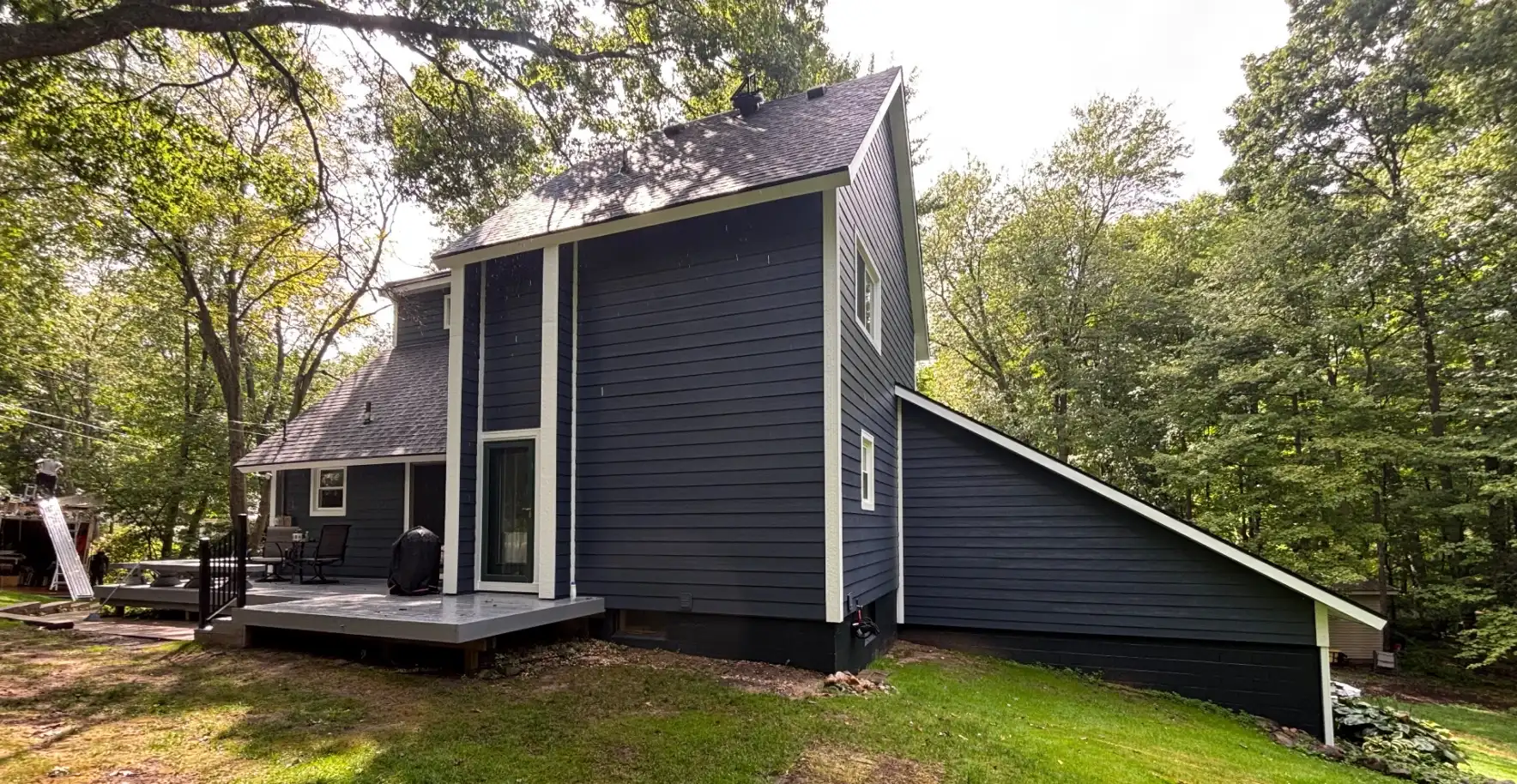
The square static vents set high on the roof, like the ones near the ridge on the navy home above. They suit hip roofs and short ridges where a ridge vent would not have enough length to work. Spaced properly, they do fine.
Mixing the two
Put a ridge vent and box vents on one attic and the ridge can pull its air in through the box vents just below it. Air takes that short path, and the rest of the attic stalls. When we find mixed exhaust, we close off one type.
Bathroom fans that empty into the attic.
Every bathroom fan pulls moist air out of the room. Where it sends that air is another matter. On more houses than you would guess, the duct simply ends in the attic. Sometimes it lies on top of the insulation pointed vaguely toward a vent. Sometimes it came loose during a remodel and the fan has been blowing into a joist bay ever since.
In a Michigan winter that moisture meets the cold underside of the roof deck and condenses. You see it first as frost on the nail tips in January, then as drips and stained ceiling drywall when the frost lets go, and over a few years as darkened, softening sheathing. Good ventilation helps carry moisture off, though no attic can keep up with a daily shower piped straight into it.
The fix is a sealed, insulated duct run to a proper exterior cap through the roof or a wall. Kitchen exhausts and dryer vents get the same check while we are up there. It is unglamorous work, and it often decides whether the deck under a new roof stays sound.
Ice dams, shingle warranties, and how long a roof lasts.
Ice dams start in the attic. Warmth rising from the living space heats the roof deck, the snow on top melts from underneath, and the water trickles down to the overhang, which sits outside the heated house and stays cold. There it freezes into a ridge of ice, and the next round of melt backs up behind that ridge and under the shingles. A cold, well-vented attic keeps the deck near the outdoor temperature so the snow stays put until the sun takes it.
Heat does its damage in summer too. An attic that cannot exhaust bakes the shingles from below, which is a large part of why two roofs with the same shingle can age so differently. Shingle manufacturers write ventilation into their installation requirements, and a roof that ignores them can hand the maker a reason to turn down a warranty claim later. When a roof in one of Holt’s newer subdivisions is wearing out ahead of its time, the attic is one of the first places we look.
We are Lomanco certified, and on every new shingle roof we install, ventilation is part of the job from day one. Our roof ventilation page lays out how we handle it in every town, and our Holt page covers the rest of our local work. If you want a second set of eyes in your attic, book a free roof look.
Holt attics, inspected by the crew that will fix them.
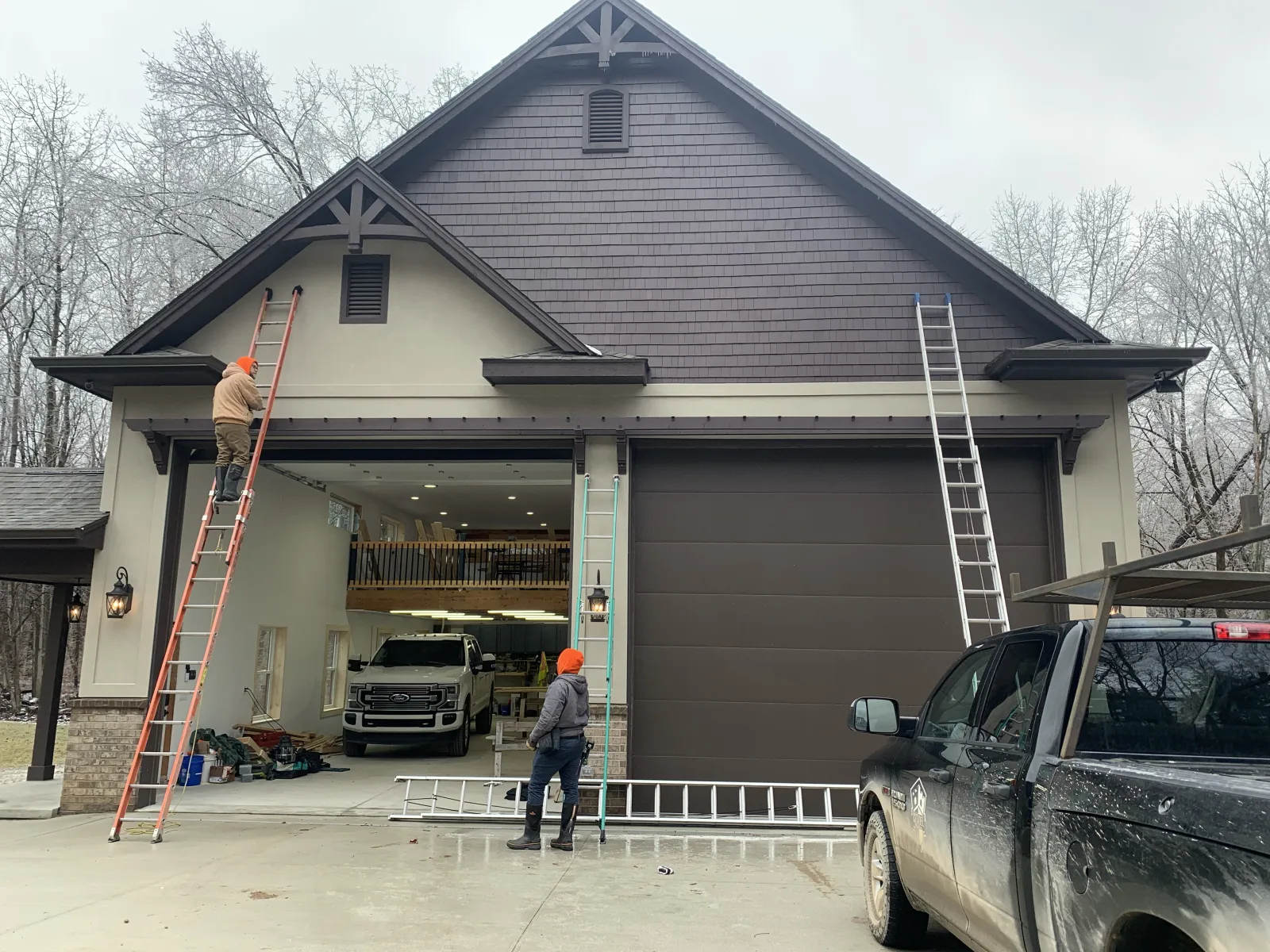
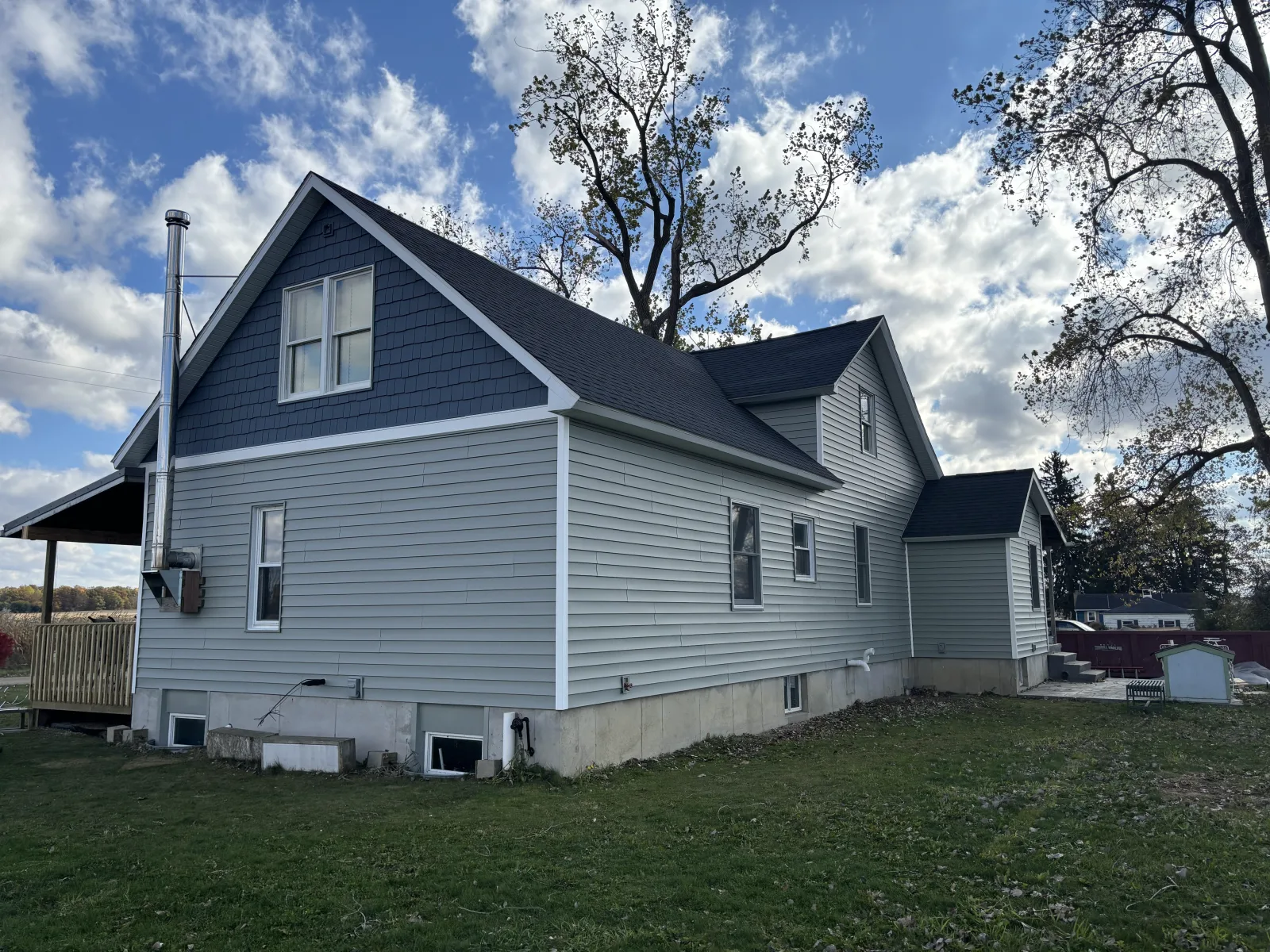
Attics in Holt tend to come in two kinds: newer subdivision houses where the soffit intake was cut short to save a day, and older houses that have been insulated over, re-roofed and remodeled until nobody remembers where the air is supposed to come in. Both are worth a look. We cover Holt from St. Johns, and if something else on the house needs attention, we also handle siding repair, siding replacement, shingle roof installation, and gutter repair in town. The jobs pictured below come from around mid-Michigan.

How we approach roof ventilation · our Holt service page · or call (989) 900-0018.
Attic airflow, answered for Holt homeowners.
Plain answers to what we get asked most. Finished jobs are in our gallery, and our contact page goes straight to the crew.
How do I know if my attic is poorly ventilated?
Heavy icicles and ice dams in winter are the loudest sign, along with upstairs rooms that run hot all summer. Frost on the nails or deck, if you can see into the attic, points the same way, and so do shingles that curl early. We confirm it from inside the attic at the free roof look.
Can I just add more vents to the roof?
Adding exhaust without intake usually makes things worse, because the new vents pull air from the living space instead of the soffits. We start by checking what intake you have and whether insulation is blocking it. Clearing the soffits often does more good than any vent you could add up top.
Is a ridge vent better than box vents?
On a gable roof with a long ridge, a ridge vent usually moves air more evenly and looks cleaner from the street. On hip roofs or short ridges, box vents can be the better fit. What matters most is sticking to one style of exhaust and pairing it with enough intake.
Should my bathroom fan vent into the attic?
No. It should run through a sealed duct to the outside, out through the roof or a wall. A fan that dumps into the attic puts moisture right where it frosts and rots the deck. We check every fan duct when we are in the attic, along with the kitchen and dryer vents.
Does ventilation affect my shingle warranty?
It can. Shingle makers spell out ventilation requirements in their installation instructions, and poor ventilation can give them grounds to deny a claim. That is one reason we treat ventilation as part of every roof we install, and why our Lomanco certification matters on the details.
Can you fix ventilation without replacing my roof?
Usually, yes. Soffit baffles, closing off mixed exhaust and rerouting a bathroom duct all happen without a tear-off. A ridge vent can often be cut into a roof that still has life in it. We only bring up replacement when the roof itself is worn out, and we show you why.

Have your Holt attic checked before the first hard freeze.
We go up on the roof and into the attic, show you what is moving air and what is not, and put a fair price in writing for only the work that is warranted.
(989) 900-0018