
Good siding starts three layers back, where nobody ever looks.
New siding for Haslett houses, installed by our own insured crew, with a plain read on whether your walls actually need all of it.
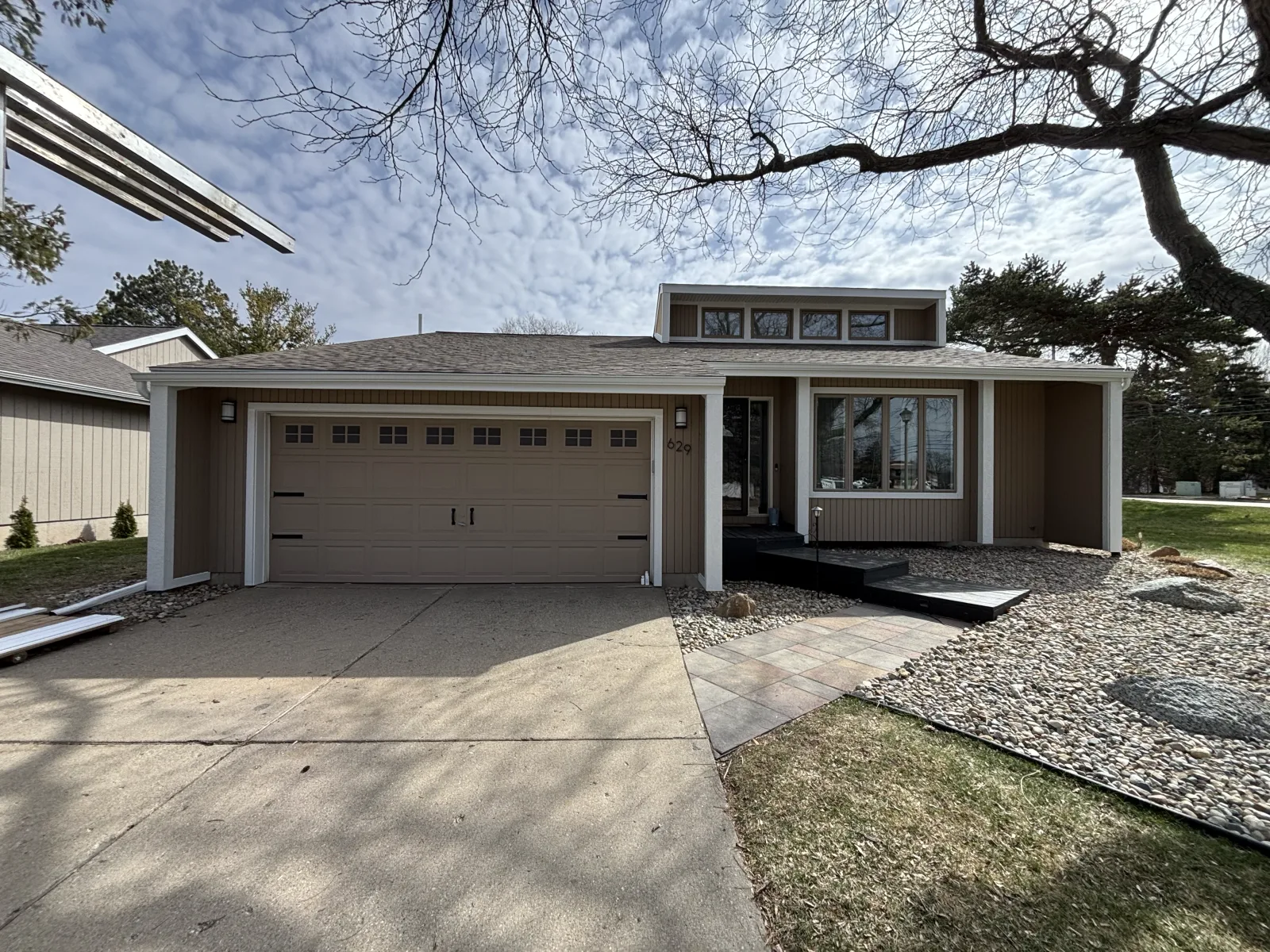
Vinyl, fiber cement, or engineered wood on a Michigan wall.
Most people call us with a material already picked out, usually because a neighbor got it or a salesman named it first. We would rather start with the wall. Vinyl is light, forgiving, and the sensible answer on plenty of Haslett houses, particularly the newer builds where the sheathing is sound and the trim is simple. Fiber cement is heavier, holds paint beautifully, and shrugs off the freeze-thaw cycle that grinds away at everything here from November through April. Engineered wood splits the difference and gives you the grain of real lumber with far less babysitting. We are certified through James Hardie for the fiber cement and through LP SmartSide for the engineered wood, so whichever way you go, the crew hanging it knows that product’s rules cold.
What decides it is rarely the brochure. It is your exposure, your trim profiles, how much of the wall the roofline actually protects, and how long you plan to own the place. We walk all four sides with you before anybody quotes anything, and if vinyl is the honest answer on your house, we will say vinyl and not talk you up a tier. That is the whole reason Andrew, Aaron, and Preston opened this company: nobody should pay for a product their wall did not ask for.
Housewrap and flashing do the work the panels get credit for.
Siding sheds most of the weather. It does not shed all of it, and it was never supposed to. Behind the panels sits a water-resistive housewrap, and that layer is what actually keeps your sheathing dry when a February thaw runs water down the wall or a summer storm drives rain sideways off the lake. We lap it shingle-style so every course sends water down and out, we tape the seams, and we cut and fold it at the openings rather than stapling it flat and hoping.
Flashing is where most siding jobs quietly go wrong. Every window head, every door head, every deck ledger and hose bib and light box gets flashed, and the wrap gets integrated over that flashing instead of tucked behind it. Get that order backward and you have built a funnel that pours water into the wall cavity for the next twenty years while the outside of the house looks brand new. On a lakeside street where humidity sits higher and morning damp hangs on the north elevations well past sunrise, that detail is worth more than any upgrade on the material list.
We also leave the wall room to breathe. Furring, rainscreen gaps where the assembly calls for one, and correct clearances at grade and at the roof line all give trapped moisture somewhere to go. None of it shows in a photo. All of it shows in year twelve.
What the old siding has been hiding.
Tear-off day is when a house stops keeping secrets. On the older cottages around here, the ones that have been added onto once or twice over the decades, we routinely pull panels and find sheathing gone soft under a window sill, or a corner where an old gutter overshot for years and quietly cooked the bottom plate. Sometimes there are two layers of siding and the original wood underneath is in better shape than what covered it up.
Our rule is simple: you see everything we see, on the same day we see it. We photograph the open wall, walk you out to it if you are home, and give you a straight number to repair what we found before anything gets covered back up. Rotten sheathing under new panels is the single most expensive shortcut in this trade, because you pay twice and the second time is worse.
The mid-century ranches tend to hand us a different surprise: original soffit and fascia that has been quietly failing behind a gutter run, or wall insulation that settled decades ago and left the top eighteen inches empty. Since the wall is already open, that is the cheap moment to fix both, and we will tell you when it is worth doing and when it plainly is not.
Trim, soffit, and the corners that give a job away.
You can spot a rushed re-side from the street without knowing a thing about construction. The panels look fine. The corners do not. Trim that is too thin for the reveal, a J-channel run that fights the window casing, a soffit return that stops half an inch short and gets caulked into submission: that is where the eye lands, and no amount of good panel work rescues it.
We treat the trim package as part of the design, not as leftover material. Corner boards get sized to the house so the proportions read right, window and door casings get chosen to suit the era of the place rather than whatever ships fastest, and soffit and fascia get tied in so the roof edge and the wall finish look like one decision. On a home with dormers or an addition that met the original roofline at an awkward angle, that transition gets planned before a single panel is cut.
Color and profile are the fun part, and we do not rush you. Wider lap reads more contemporary, narrower reads traditional, and board and batten changes the character of a gable end entirely. We bring samples to the house and look at them on your wall in your light, because a chip under showroom fluorescents and the same color on a north-facing elevation in March are two different colors.
How a full re-side actually runs, start to finish.
It opens with the free look, and there is nothing attached to it. We come out, walk every elevation, check the trim and the soffit and where the gutters land, and tell you what your walls genuinely need. Then you get a written scope and a fair price in writing, itemized enough that you can see what each piece is for. We do not quote siding off a photo or over the phone.
Once you are on the calendar, we sequence around Michigan weather rather than pretending it is not there. Vinyl and engineered wood go up in cold conditions without much complaint if the crew respects expansion. Fiber cement work and anything involving paint gets scheduled where the temperature will cooperate. We stage the material, protect the beds and the walkways, and take one elevation at a time so your house is never wide open overnight.
Expansion gaps get left at every butt joint and every trim intersection, because siding grows and shrinks with the season, and a course driven tight in August buckles in January. Fasteners land where the manufacturer says they land, not where they are fastest. At the end of each day the ground gets swept and magnet-rolled, and at the end of the job we walk the whole house with you before we load the trailer.
Three things we don’t compromise on.
You’ll find these on every job we do, and they’re most of the reason our name travels by referral.
We never subcontract
The crew that walked your Haslett house is the crew that hangs the siding. No broker, no rotating labor, nobody learning your wall on the fly. It is the only way we know to keep the flashing and the fastener pattern honest from the first corner to the last.
Honest, no upsell
If two elevations are sound and one is failing, we will quote the one. We built this company because too many people in mid-Michigan were sold whole-house work their walls never called for, and word of mouth here is the only advertising that has ever worked for us.
Certified and insured
CertainTeed, LP SmartSide, James Hardie, and Lomanco certified, fully licensed and insured. Installing to each manufacturer’s published spec is what keeps your warranty intact, so we follow it even where nobody would ever check.
Working in Haslett.
Haslett sits in Ingham County, which we cover end to end from our shop in St. Johns. Siding installation is one of several trades we bring to this town, and the rest of what we do here is one click away: gutter replacement, metal roofing, shingle roof repair, and storm restoration. The houses below are real Anchor jobs from around mid-Michigan.
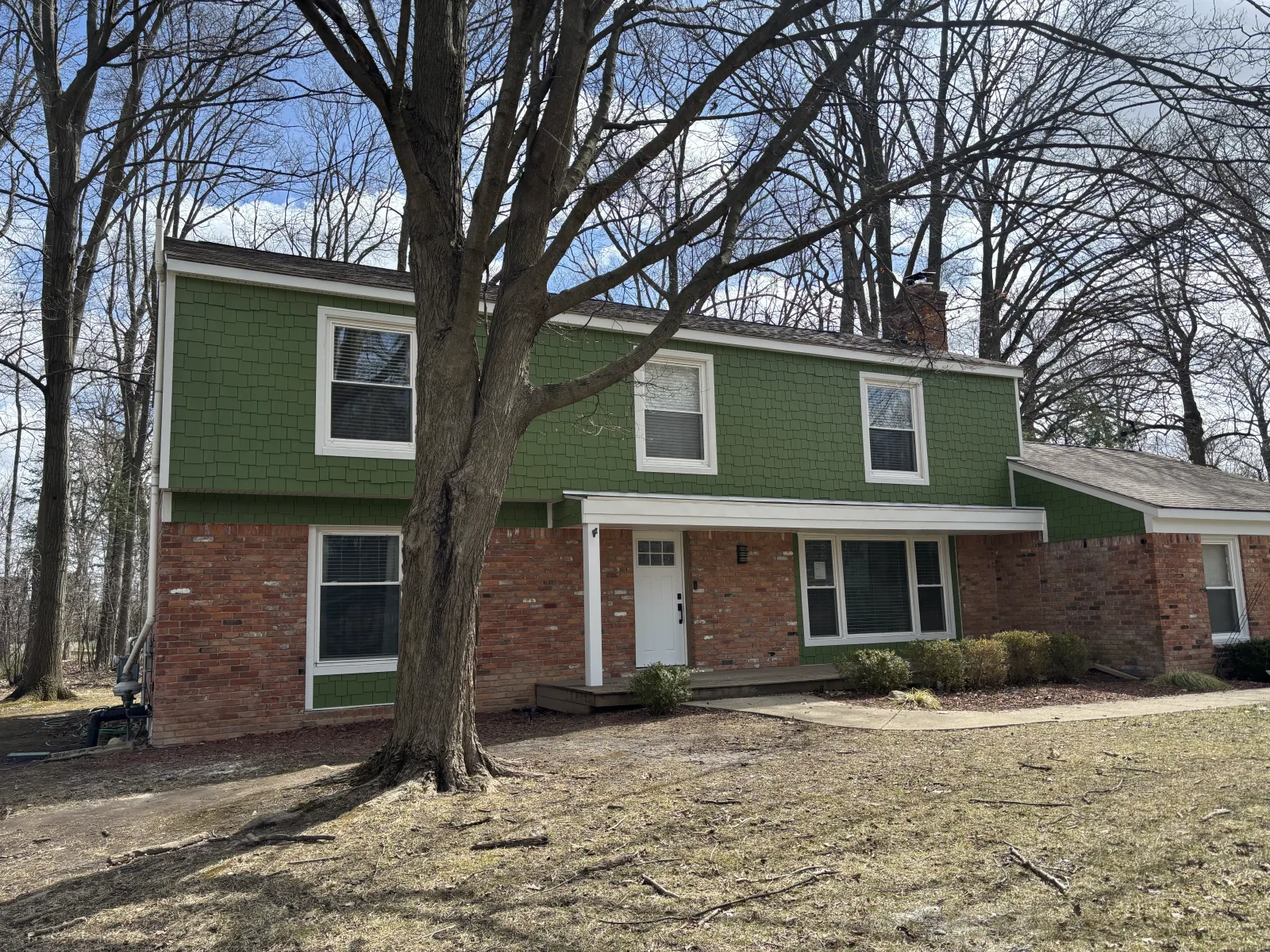

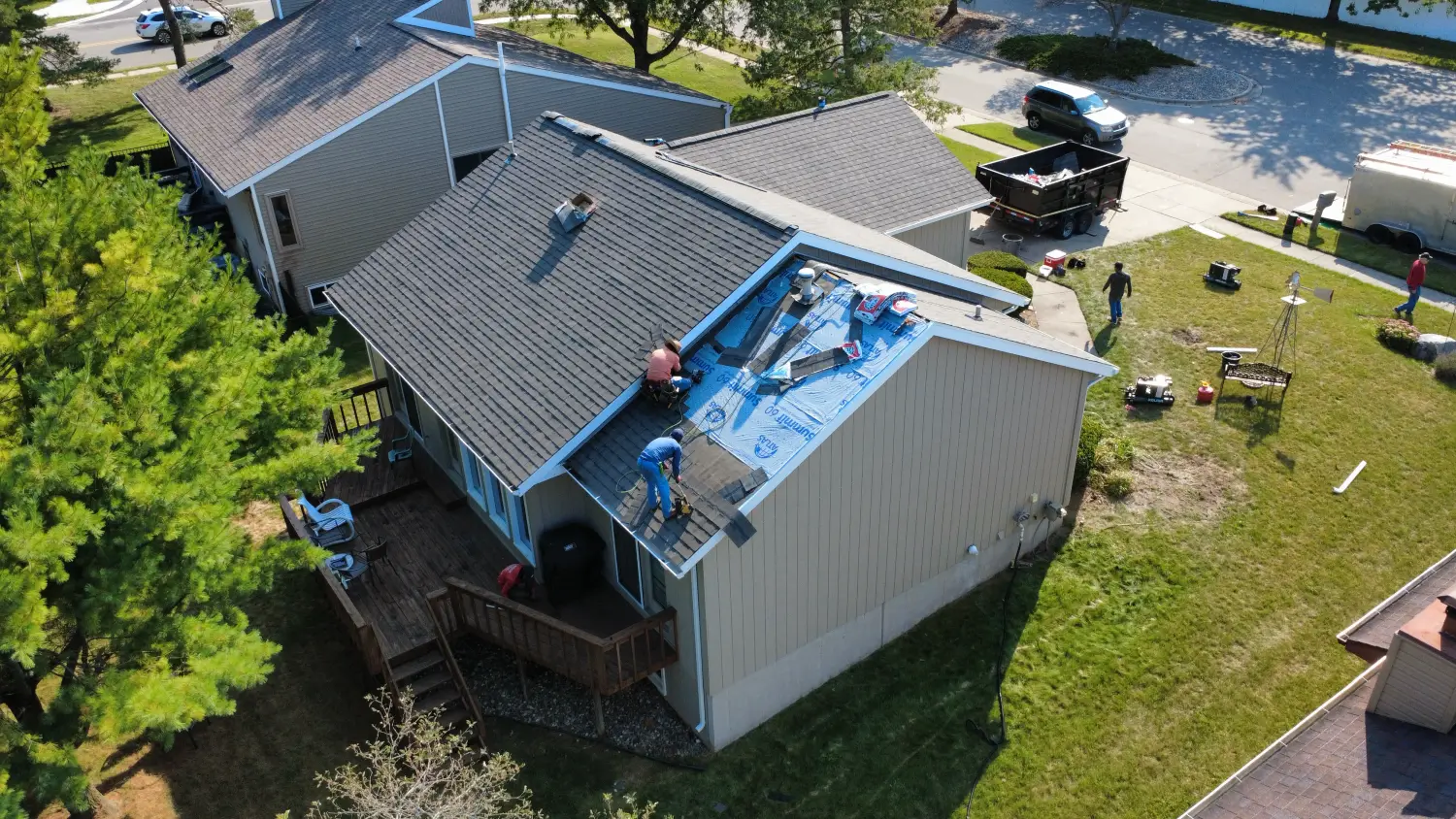
Read how we approach siding installation anywhere we work, see everything we do in Haslett, or ring (989) 900-0018 and tell us what the walls are doing.
What Haslett homeowners want to know before they commit.
Plain answers, no hedging. Finished walls and rooflines are in our gallery, and you can reach us any time through our contact page.
Which siding material lasts longest around here?
All three we install will outlast a bad installation, so the assembly matters more than the label. That said, fiber cement handles our freeze-thaw punishment with the least drama, engineered wood holds up well and looks like lumber, and quality vinyl is a genuinely sound choice on a straightforward wall.
Can you re-side in a Michigan winter?
Vinyl and engineered wood, generally yes, as long as the crew respects expansion and the substrate is dry. Fiber cement cutting and any painted finish work want warmer, drier conditions, so we schedule those pieces where the weather will cooperate rather than forcing them.
What happens if you find rot behind my old siding?
We stop, photograph it, and show you before anything gets covered. Then you get a separate line and a fair price in writing for the repair. We will never hang new panels over soft sheathing, because that turns a fixable problem into a much larger one you pay for twice.
Do you replace the trim and soffit at the same time?
Usually it makes sense to, since the wall is already open and the labor overlaps. Corner boards, casings, soffit and fascia all read as one finished edge from the curb. If yours are still solid and match the new work, we will tell you to keep them.
How long will my house be torn open?
We work one elevation at a time and close it up before the crew leaves for the day, so your home is never sitting wide open overnight. A typical full re-side runs several days to a couple of weeks depending on square footage, trim detail, and what the tear-off turns up.
Do I have to do the whole house at once?
No. If one wall took the damage and the other three are sound, we will scope the one. The honest caveat is matching: aged siding never quite meets new siding, so on a visible elevation we will tell you when a partial job will look like a patch.
Show us the wall you keep meaning to deal with.
We’ll walk all four sides of your Haslett home, free and with nothing attached, and tell you plainly what the siding needs.
(989) 900-0018