
The layer under the siding is the one that keeps the wall dry.
Licensed, insured, never subcontracted siding installation for East Lansing homes, and an honest read on what yours actually needs.
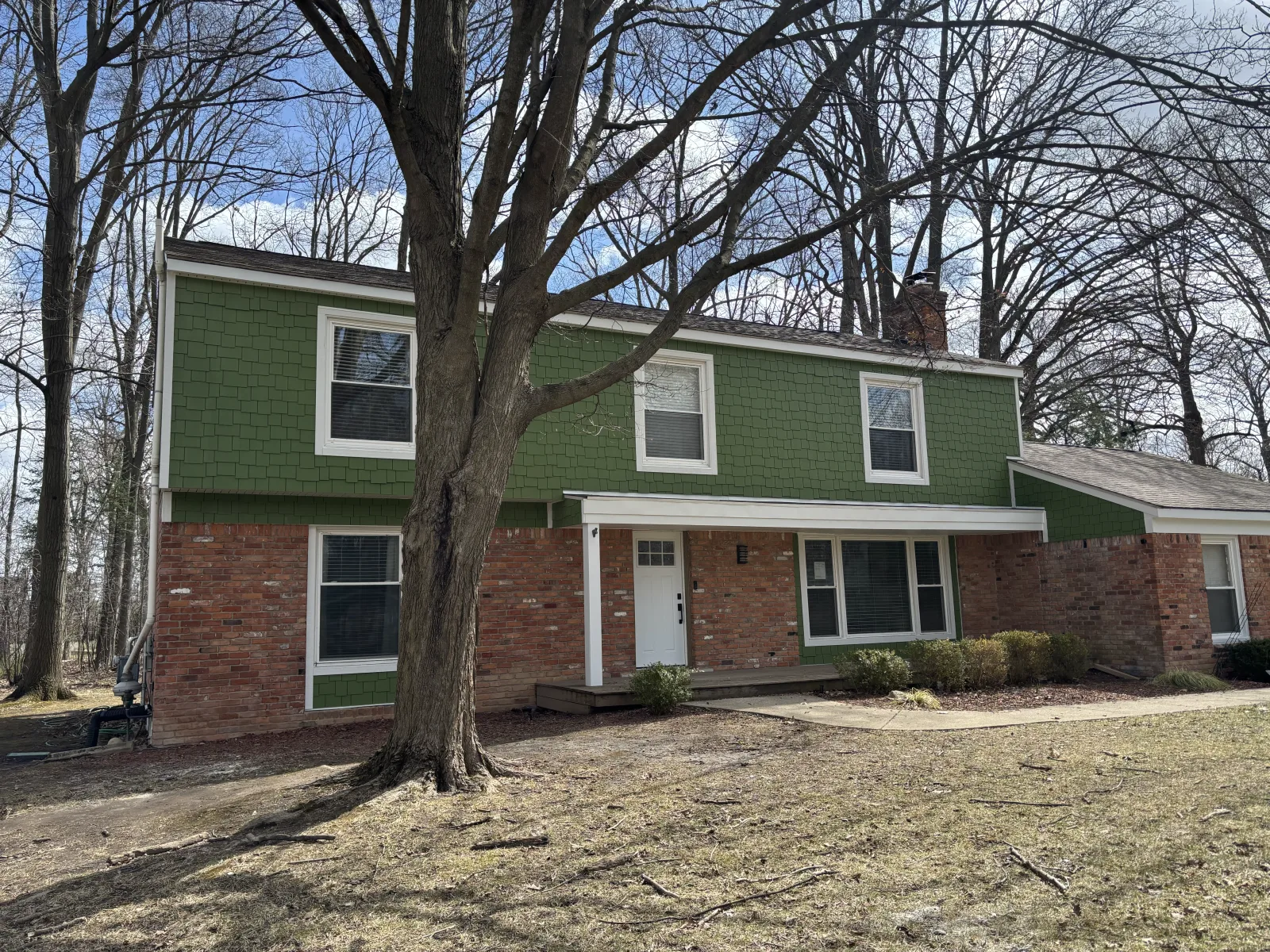
Re-siding the housing stock East Lansing actually has.
Around campus, in Glencairn and Bailey and on the older streets off Grand River, the houses were drawn by people who cared what a wall looked like: brick colonials, tudors, deep porches and real architectural detail. Re-siding one of them is mostly an exercise in restraint. The exposure, the corner boards and the window casings have to land where the original builder put them, or the house stops looking like itself. We settle profile and color against the age of the house before anyone mentions a product.
The canopy is the other half of the job. Those big trees keep north walls in shade most of the day, so that siding stays damp longer, streaks, and gives rot a head start along the bottom courses where leaves pile up against the house. Then an Ingham County winter parks snow against the foundation for weeks while freeze-thaw works at every nail. A wall hung too tight or too loose shows it within a few seasons, so we look at the shaded sides first.
Before we talk about materials, we come out for a free look. We walk every elevation, press on the spots that look soft, check behind loose trim where we can, and photograph what we find. You get a scope and a fair price in writing, with the photos attached, before anything is ordered.
Siding in East Lansing has to handle a wide swing, from humid summers to deep-cold winters, and the wall assembly matters as much as the panel you see. Before the first course goes up we get the water-resistive housewrap on right, lapped so it sheds water downhill and taped at the seams, because that layer is the real weather barrier and the siding is the shell over it. We flash every window and door head, and we integrate the housewrap over the flashing rather than under it, so wind-driven rain and melting snow run out and away instead of getting trapped against the sheathing. On a home built to be lived in through Michigan winters, that detail is the whole ballgame. If the old siding hid soft sheathing or rot, we find it during the tear-off and show you before we cover anything back up.
The material matters too, and this is where our certifications earn their place. As James Hardie certified installers we hang fiber-cement to spec, with the right clearances at the roof and the ground and the fastener pattern the product actually calls for, so it stands up to freeze-thaw without cracking. As LP SmartSide certified installers we handle engineered wood with the same care for edge sealing and clearances. Whichever you choose, we leave the correct expansion gaps at the butt joints and trim, because siding moves with temperature, and a panel butted tight in July will buckle in January. We back-flash the trim, seal the joints properly, and detail the corners and penetrations so the wall drains and dries. If a repair or a partial re-side is really all your East Lansing home needs, we will tell you that instead of quoting a whole house you do not need to redo.
Siding Installation is one of the many services we bring to East Lansing and the rest of Ingham County. Read how we handle siding installation, see everything we do in East Lansing, or book a free roof look.
What happens between tear-off and the last piece of trim.
The old siding comes off one wall at a time, and the first real decision gets made right there, with the sheathing bare. Soft boards around sills and along the bottom course get cut out and replaced before anything covers them. If that changes the price, you see the damage and the new number before we touch it, and nothing gets added without your say. Then the wrap goes on, then flashing at every window and door, then the starter strip, which sets the line every course above it follows. On an older East Lansing house that line matters more than people expect, because the original walls are rarely dead level, and a crew that chases a crooked line hangs a crooked house. Corners and casings go up last, rebuilt to the widths the house had. At the end of each day the open wall is covered, the nails are picked out of the lawn, and someone tells you where things stand.
Where we slow down on a siding job.
Each of these is a spot where a fast crew saves an afternoon and the house pays for it later.
Trim rebuilt to the original
Corner boards, window casings and the trim at the top of the wall go back at the widths and profiles the house was built with. On a colonial or a tudor near campus, that trim does most of the work of making the house read as its era, so a wider stock board never gets swapped in.
The shaded side checked hardest
North walls under heavy canopy stay wet longest. That is where we probe the sheathing first, keep the bottom course clear of soil and mulch, and make sure any water that gets behind the siding has a way out at the base of the wall.
One crew from tear-off to cleanup
The people who strip your old siding are the same people who hang the new, and they’re the installers James Hardie and LP SmartSide certified. Nobody passes your walls to another outfit halfway through, so when a question comes up, you know exactly who to ask.
Serving East Lansing.
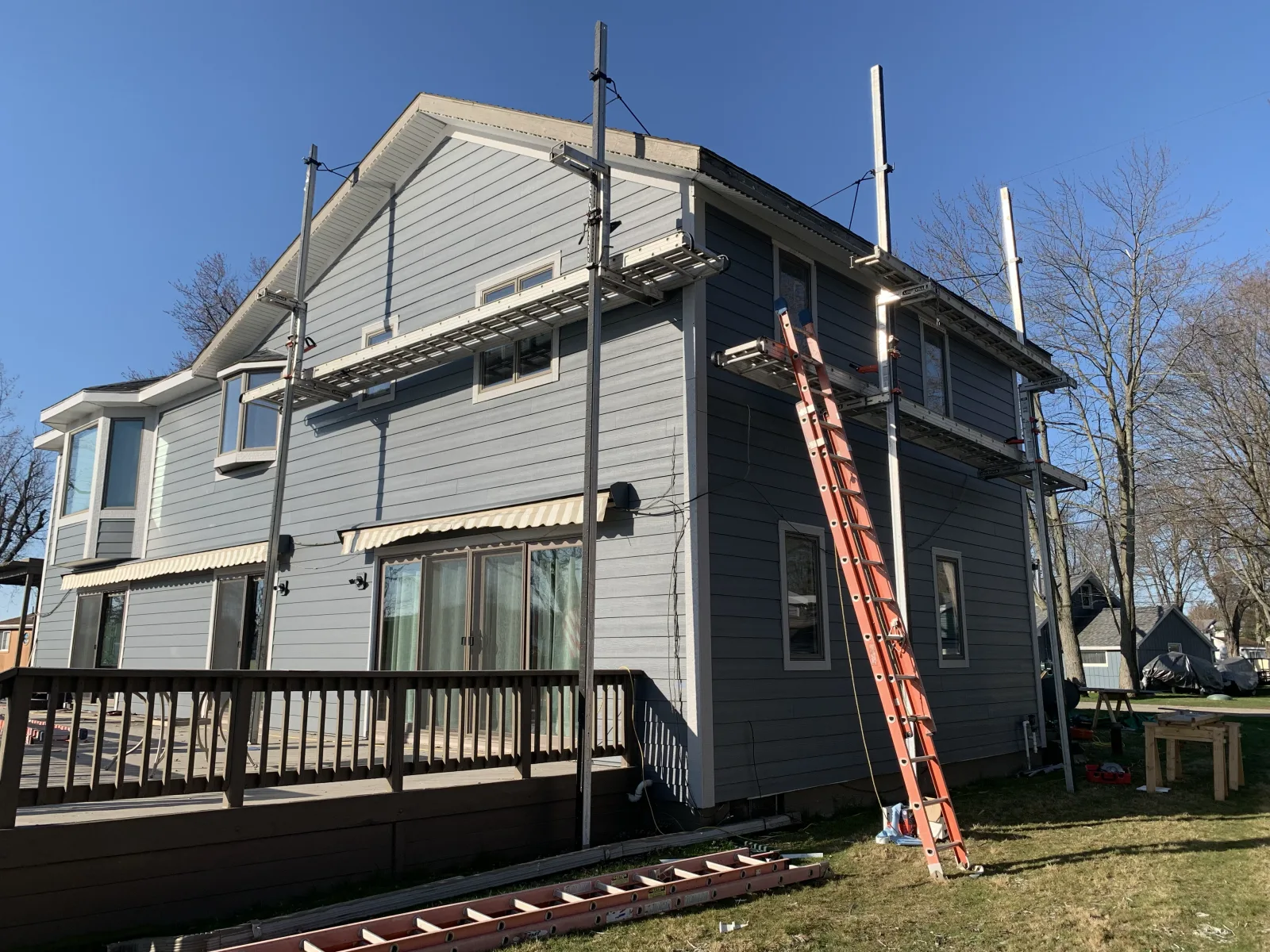
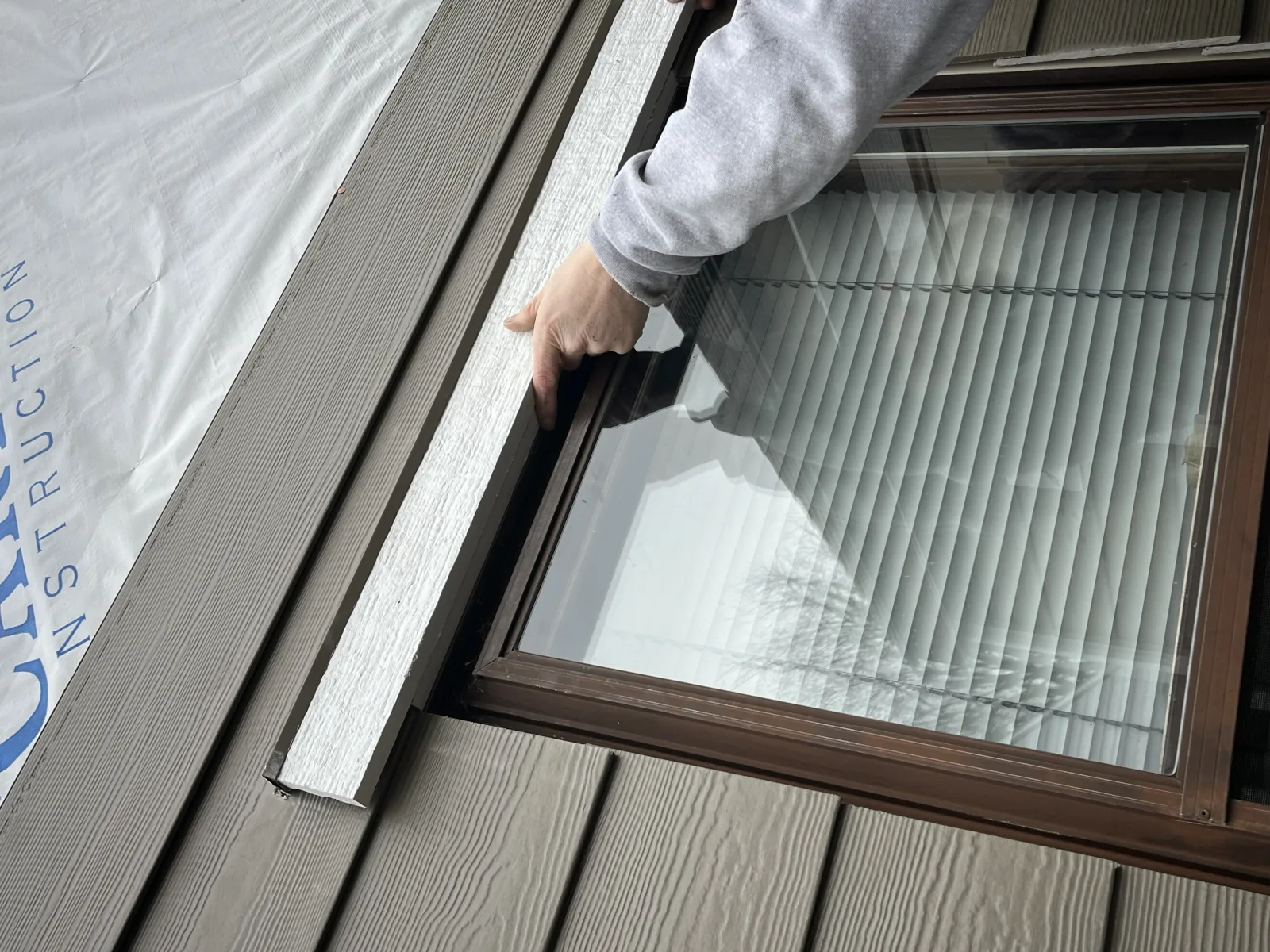
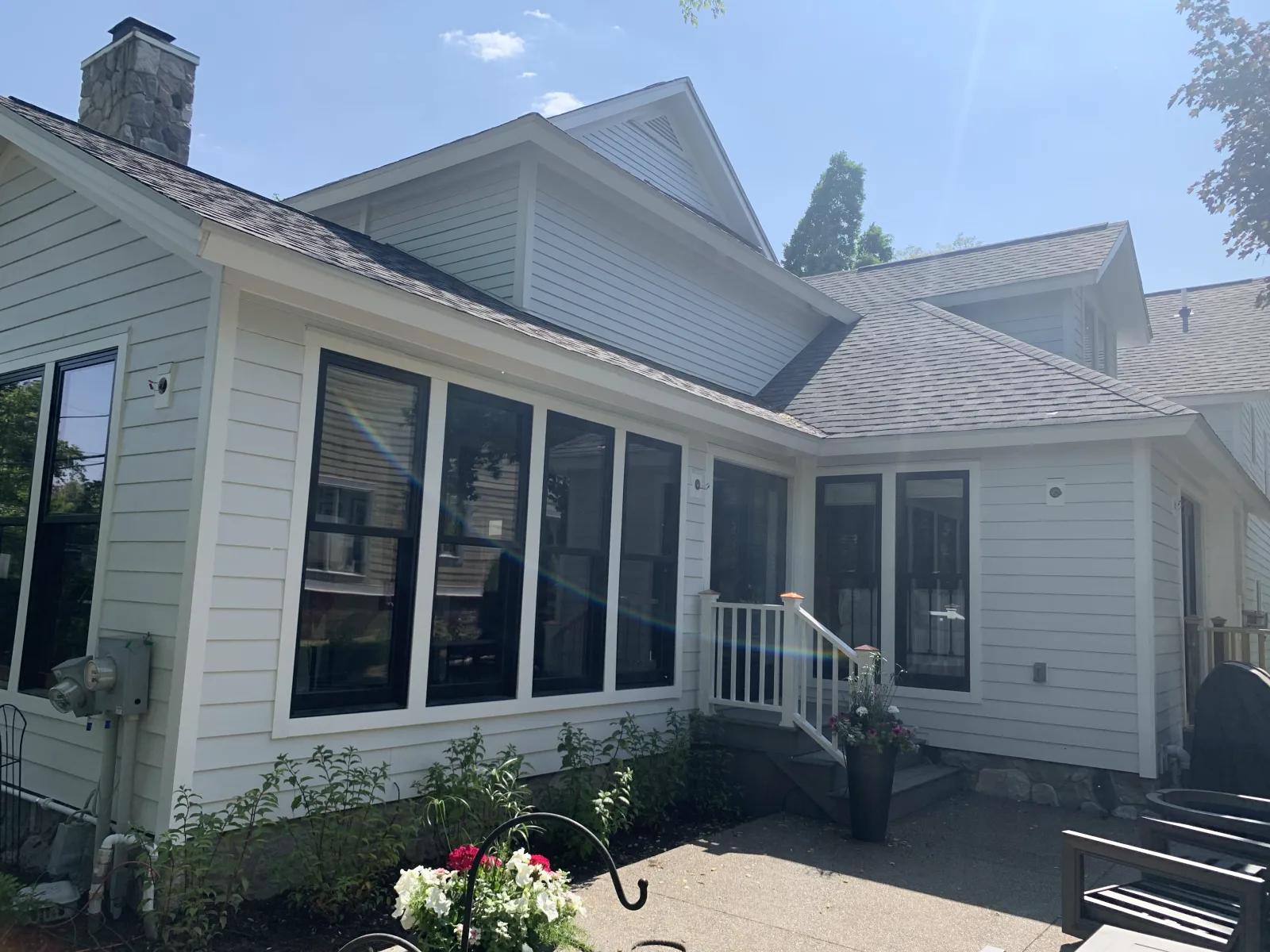
More about siding installation · all our East Lansing services · call (989) 900-0018.
Questions East Lansing homeowners actually ask.
These come up at nearly every re-side we look at near campus. Walls we’ve finished are in the gallery.
Will new siding look right on an older colonial or tudor?
It will if the details are rebuilt to match. We set the lap exposure, corner boards and window casings to what the house had, and keep the depth around the windows where it was. Most of the houses we see near campus were built with care, and new siding should look like it came with the house.
Do you go over the old siding or take it off?
We take it off. Going over the top hides whatever is happening on the sheathing, and on houses this age there is usually something worth seeing around the windows and at the bottom course. Stripping it also lets the new trim sit flat and keeps the wall from getting thicker than the window openings were built for.
How do you handle a wall that is half brick and half siding?
The line where siding sits on top of brick is a classic leak point on colonials. Water running down the wall wants to get in behind at the brick ledge, so we flash that transition and give it an edge that throws water clear. Done right, nobody notices it. Done wrong, the sheathing just above the brick rots first.
How do we pick a color that suits an older house?
We start from what is staying, the brick, the roof and any original door or stone, then bring samples out so you see them against your own house in your own light. A color that looks right on a small chip can turn flat or loud on a shaded street, and it is much easier to change your mind before anything is ordered.
What happens to my shutters, lights and gutters during the job?
They come off carefully, get labeled, and go back on once the new wall is up, with mounting blocks behind the lights and hose bibs so they sit flat on the siding. If a gutter is pulling away from the fascia, we’ll point it out so you can decide what to do about it.
What siding holds up best in Michigan winters?
There is no single answer, which is why we walk your home first. Fiber-cement from James Hardie handles freeze-thaw and moisture very well and is a common choice on the established East Lansing homes we work on. Engineered wood from LP SmartSide gives a warm wood look with real durability. We are certified installers for both, so we will match the material to your home, your budget, and the look you want rather than steering you to whatever is easiest for us.
Do you install housewrap and flashing behind the siding?
Always, and it is the part that actually keeps a Michigan home dry. We get a proper water-resistive housewrap on, lapped to shed water downhill, and we flash every window and door and integrate the wrap over that flashing. The siding is the shell, but the wrap and flashing are the weather barrier. Skipping or rushing that layer is how walls rot behind good-looking siding, so we do not cut it.
Will you check for rot before installing new siding?
Yes. When the old siding comes off we can see the sheathing underneath, and on older East Lansing homes we often find soft spots or hidden rot around windows and at grade. We show you anything we find and give you a straight price to repair it before we cover the wall back up. Hiding damaged sheathing under new siding is exactly the kind of shortcut we started this company to avoid.
Can you re-side just part of my house?
Yes, if that is genuinely what your home needs. If one elevation took storm or wind damage and the rest is sound, we will quote the repair or partial re-side rather than push a whole-house job. We will tell you honestly when a full re-side makes more sense, usually when matching aged siding would leave an obvious patch, but we will not talk you into more work than the house calls for.
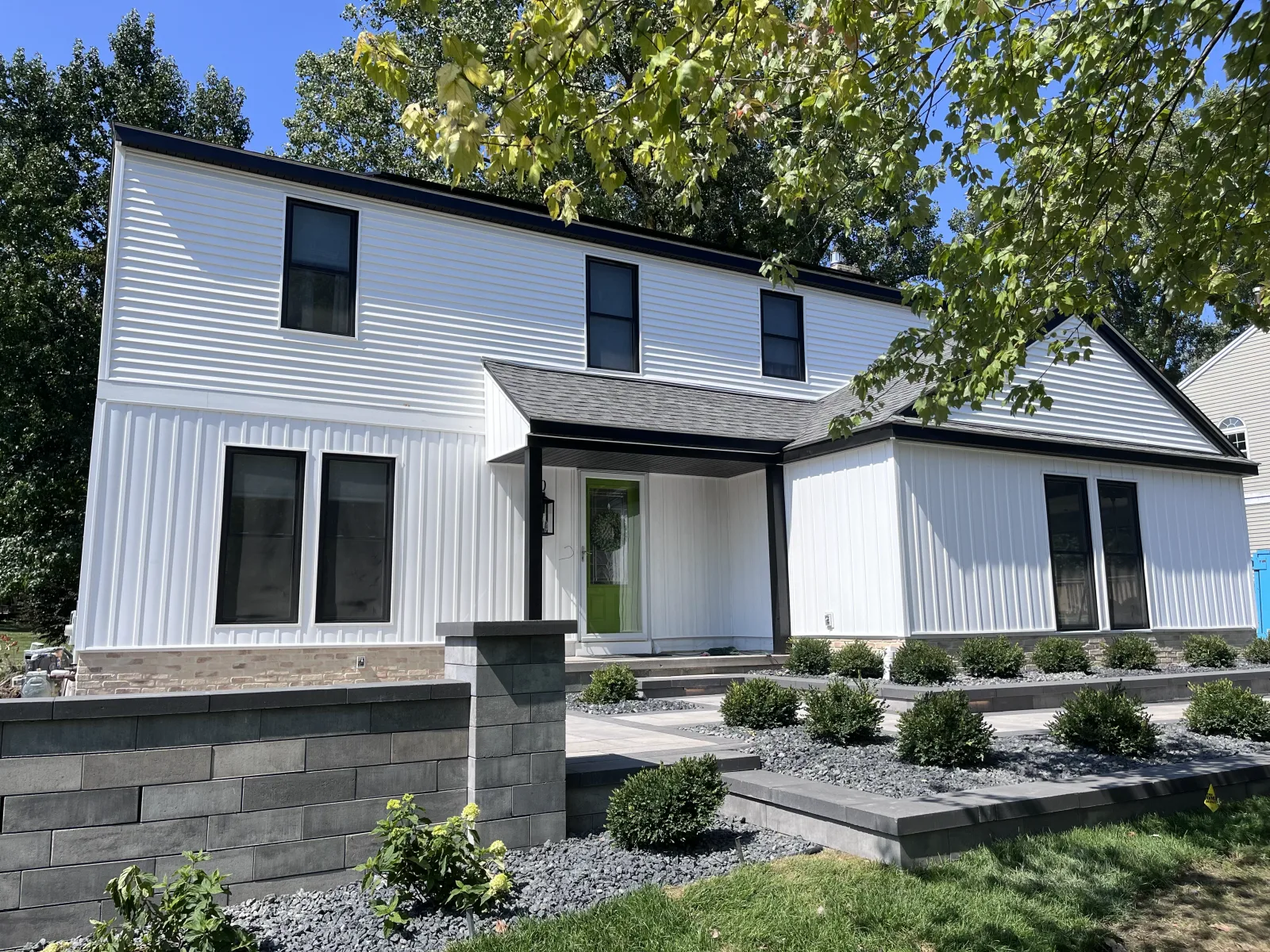
Let’s talk about what’s really under your East Lansing siding.
Pick up the phone and we’ll come see your East Lansing home for free. You’ll get a straight answer and no pressure.
(989) 900-0018