
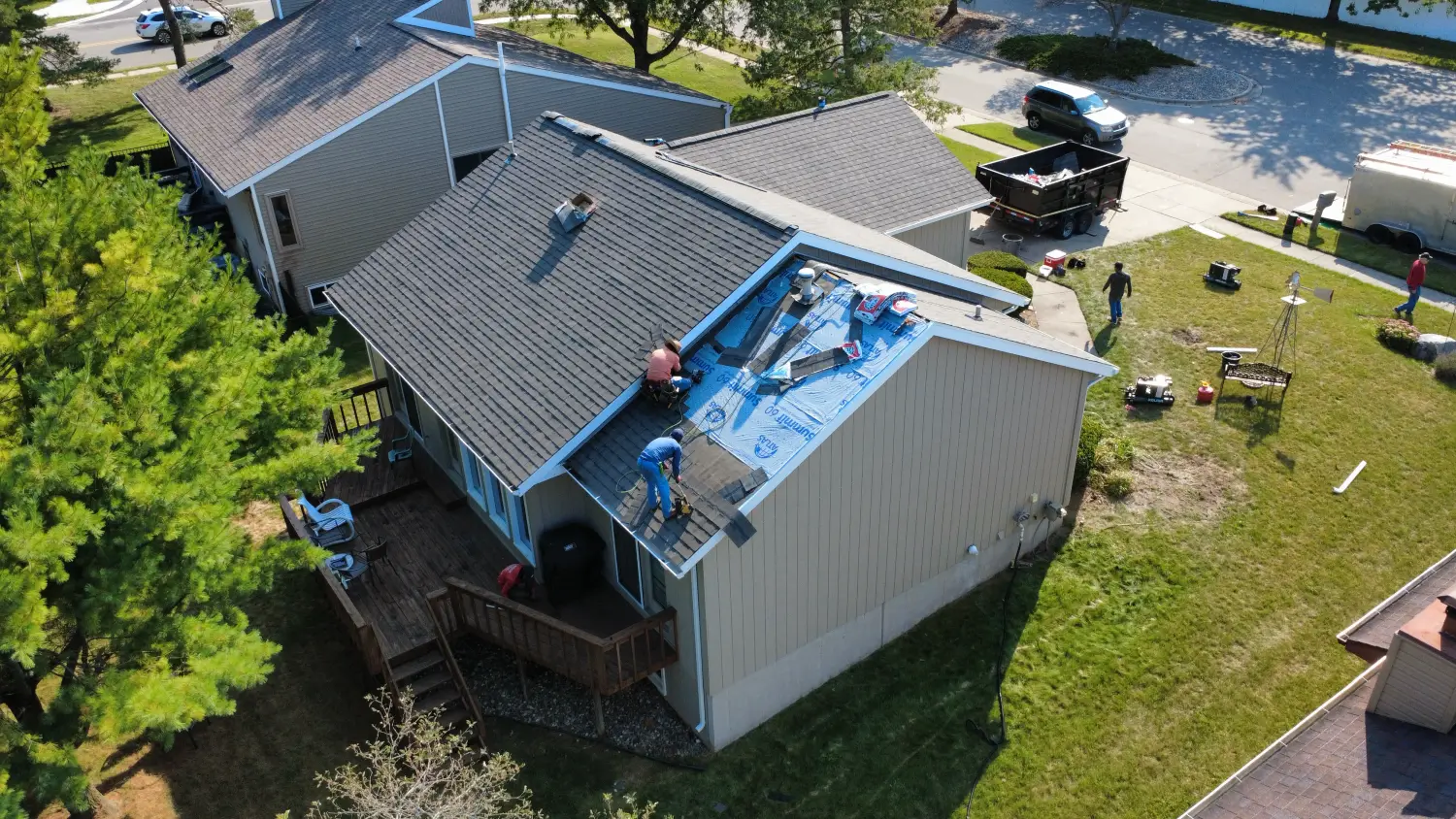
Valleys, Dormers, and Rooflines: Why a Cut-Up Roof Is a Different Job
A roof with valleys, dormers, and changing pitches leaks at its joints, almost never in the middle of a shingle field. Those joints are metal work: valley detail, step flashing, a cricket behind the chimney, real membrane where water backs up. That takes hours and material a simple gable never needs, and all of it should be spelled out in a fair price in writing before anyone starts.
Why a cut-up roof is priced by the detail, not the square
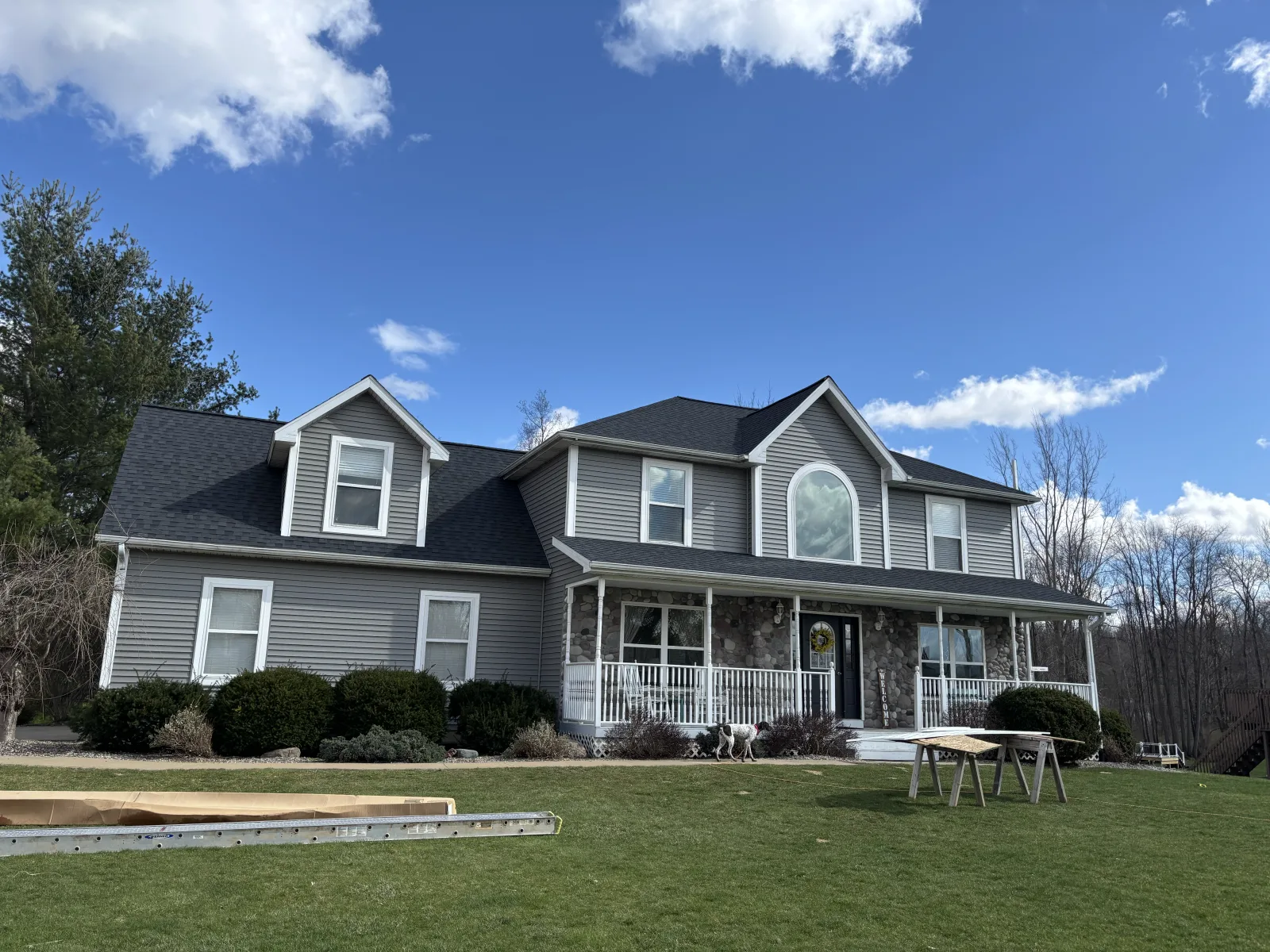
Drive the wooded streets around Okemos or the older split-levels in Haslett and you stop seeing simple roofs. There are dormers over the bedrooms, a porch roof tucked under a second story, a bay window wearing its own little hip, and three or four valleys where all of it comes together.
A roof like that carries the same shingles as the plain gable down the road. What it does not carry is the same job. Nearly everything that goes wrong on these homes goes wrong at a joint, and joints are metal, layout, and patience. We would rather explain that up front than surprise anybody with it halfway through a tear-off.
Valleys carry the water your whole roof sheds
A valley is the gutter your roof has before the gutter. Two planes drain into one line, so a valley moves several times the water any equal strip of open roof will ever see, and it moves it fast, with grit and needles riding along.
On the east side of the county, where the lots kept their oaks and maples, that debris packs into the valley and holds moisture against the roof long after the rest of the planes have dried. Add a February thaw and the valley is where the ice sits. When we get called about a ceiling stain, the valley is the first place we look, and it is usually right.
Open valley or closed valley, and when each one is right
An open valley runs a metal channel down the seam and leaves it exposed, so water and debris slide straight through. A closed valley weaves or cuts the shingles across it. That looks seamless, costs less in material, and on a short, shallow valley with no tree cover it holds up fine.
Steep planes dumping into a long valley, a valley that collects needles every fall, or a valley fed by a much bigger roof above it: those want metal. We will tell you which one your roof is asking for, and if the simpler detail is genuinely the right call on your house, that is what we will say.
Step flashing at dormers and sidewalls, or a bead of caulk
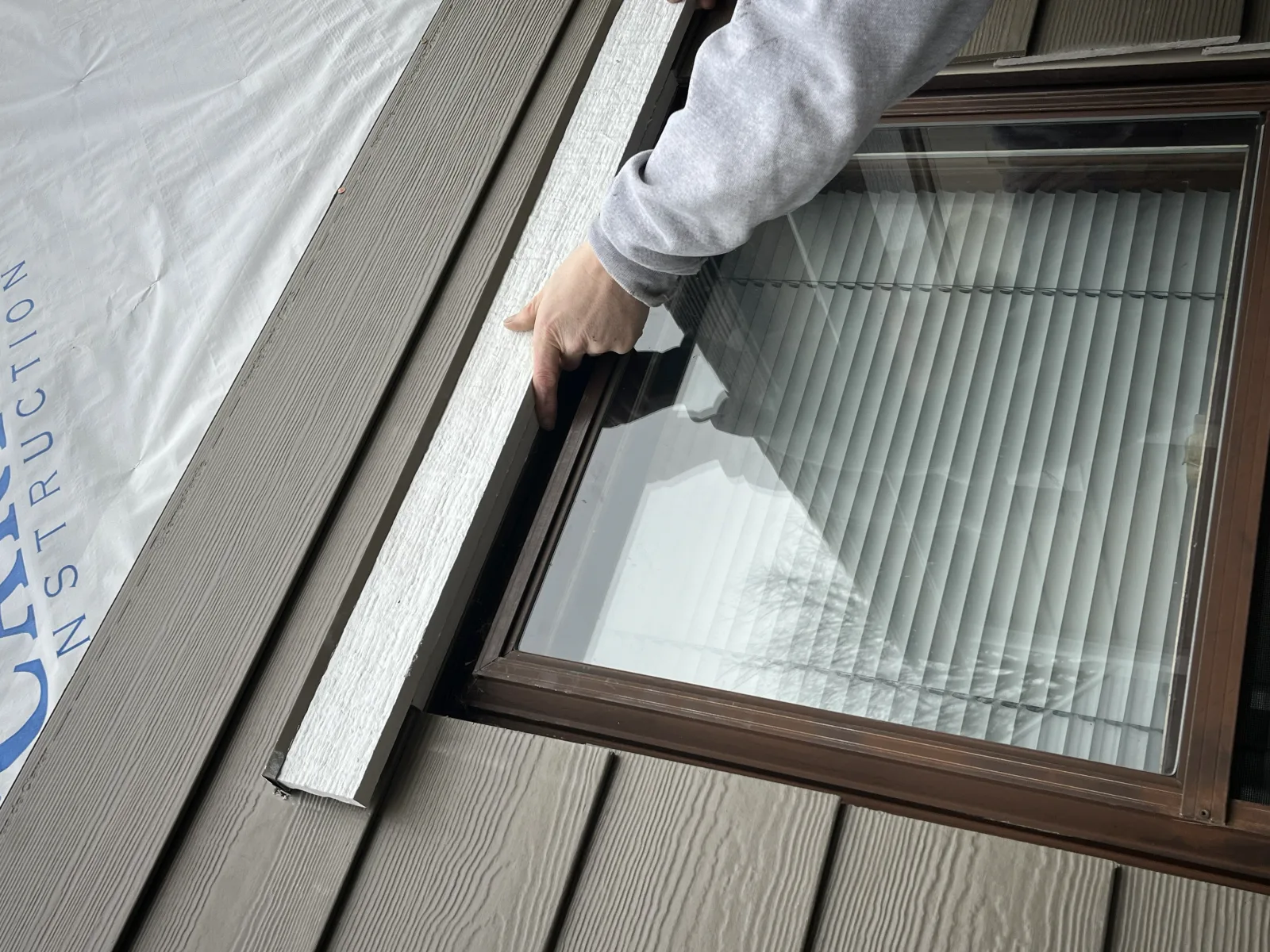
Where a dormer cheek or a sidewall meets the roof, water has to be walked out over the shingles, not sealed against them. Step flashing does that with individual bent pieces, one per shingle course, each lapped over the one below so every drop gets handed downhill and out.
Caulk in that spot is a repair with an expiration date. It looks tidy the day it goes on and it fails in a season or two, usually behind siding where nobody sees the rot until the trim goes soft under a thumb. Dormers sealed instead of flashed are what most of our shingle roof repair hours go to undoing.
Water has to be walked out over the shingles, not sealed against them. Caulk in that spot is a repair with an expiration date.
Chimneys, crickets, and the flat spot behind them
A chimney wider than a couple of feet has a problem on its uphill side. The roof funnels water and packed snow straight into the back of the masonry, and once it arrives there is nowhere for it to go. A cricket is the small framed peak that splits that flow and sends it around both sides.
Plenty of chimneys around here were built without one, and you can read it in the staining on the brick and the soft deck behind it. On every complex tear-off we look at the back of the chimney before new underlayment goes down, because that is the only inexpensive moment to build the cricket.
Where two pitches meet, and where the porch roof goes flat
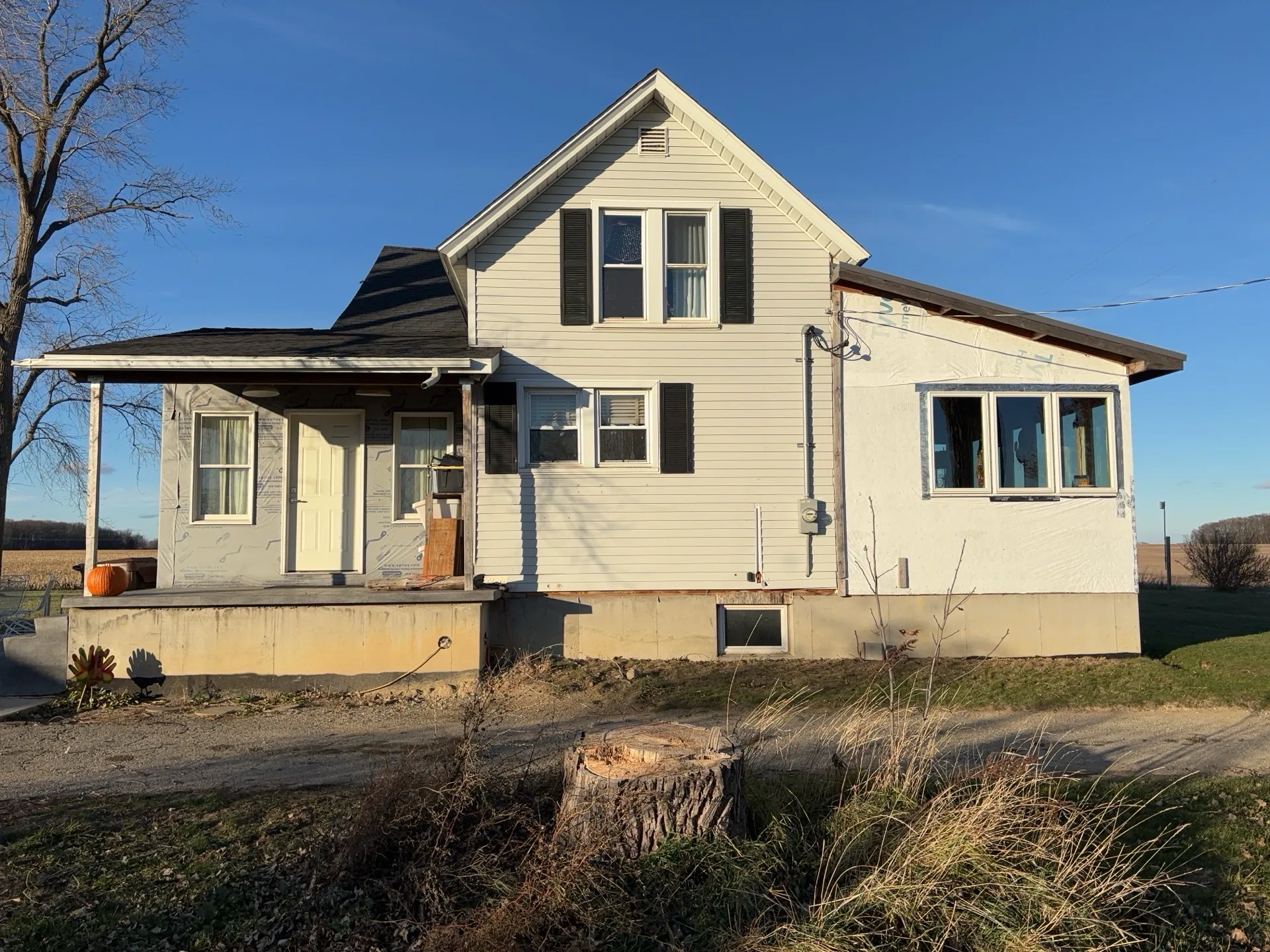
Custom homes love a pitch change. A steep upper plane meeting a lazier lower one acts like a hinge, and water slows right at the transition instead of running off it. Same story where a porch or a bay ties into the main wall on almost no slope at all.
Asphalt shingles are a gravity product. Below a certain pitch they stop shedding and start holding, and no amount of careful nailing changes that. Those runs want a membrane or a standing seam panel, which is why plenty of our metal roofing work on these houses covers only the porch and the low tie-ins, with shingles staying on everything above.
Membrane placement on a roof with a dozen weak points
Ice and water membrane is the sticky layer that seals around fasteners and keeps standing water off the deck. On a simple roof it runs along the eaves and that is most of the story. On a cut-up roof the eaves are the easy part.
We run it up every valley, around every chimney and pipe, along every sidewall where a dormer lands, and across the low-slope tie-ins. Michigan does the freeze, thaw, refreeze cycle a dozen times a winter, and every one of those pushes meltwater backwards under the shingles. Membrane is what is waiting for it.
There is a second reason to be generous with it. On a complicated roof you cannot always tell which joint is the weak one until the tear-off is open. Covering all of them costs a roll or two more and takes the guessing out of it entirely.
Venting a roof that has no long, unbroken run
Ventilation on a simple gable is easy. One long ridge, one long soffit, air moves. Break the roof into dormers and hips and short ridges and you get a handful of stubby runs, some of them over separate attic pockets that never talk to each other.
Every pocket needs its own intake and its own exhaust, sized to what it actually covers. Miss one and that is the section growing frost in January and cooking shingles in July while the rest of the roof looks fine. On a cut-up roof the venting has to be laid out pocket by pocket, so we map them during the free inspection, before anyone writes a vent count into the scope.
Waste, labor, and what belongs in the written price
Every valley, hip, and dormer cheek means cutting shingles on an angle, and the cut ends go in the dumpster. On a heavily broken roof the waste climbs well past what a rectangle would use, and that is real material somebody pays for. So are the metal, the membrane, and the hours that go into flashing details by hand.
Here is where being honest matters. A number that treats your roof like a plain gable is either missing the details or planning to skip them, and skipped details are exactly what we get called back to fix two winters later. We put the valley method, the flashing, the cricket, and the membrane placement in the written scope so you can see what you are buying.
We do not subcontract any of it. The crew that measures your dormers is the crew that flashes them, and we would rather talk you out of work you do not need than sell it to you. If the roof is on your mind, a free inspection costs you nothing and you get a fair price in writing either way.
Common Questions
Why does my roof keep leaking in the same few spots?
Because leaks start at joints, not in open shingle field. Valleys, dormer sidewalls, chimney backs, and pitch changes are where water concentrates and where flashing either works or does not. Fix the detail and the spot stops leaking; patch the shingles around it and it comes back.
Is an open metal valley better than a closed one?
Not always. A closed valley is fine on a short, shallow valley with little debris. Metal earns its keep on long valleys, steep planes draining into one line, or anywhere trees drop needles and leaves. We pick based on your roof, not a house rule.
What is a chimney cricket and does mine need one?
It is a small framed peak on the uphill side of a chimney that splits water and snow around the masonry instead of letting it pile against the brick. Wider chimneys generally need one. Staining on the back of the brick or a soft deck behind it is the tell.
Can shingles go on a low-slope porch roof?
Below a certain pitch, shingles hold water instead of shedding it, and they will leak no matter how well they are nailed. Those sections want a membrane or a standing seam metal panel. Shingles can stay on everything above the transition.
Why is the price on a complex roof higher than my neighbor’s?
More cut waste, more metal, more membrane, and many more hours on flashing details. A cut-up roof is mostly joints, and joints are handwork. If a number looks like a plain gable price, ask which of those details it includes before you sign anything.
Got a roof with a lot going on?
Call the crew and we will walk every valley, dormer, and tie-in with you, then put the scope and the price in writing.
(989) 900-0018 Or send us a note about your roof →