
Rot caught early is a board. Rot ignored is a wall.
Soft boards cut out, matched, and blended in, plus the water problem that caused them actually fixed.
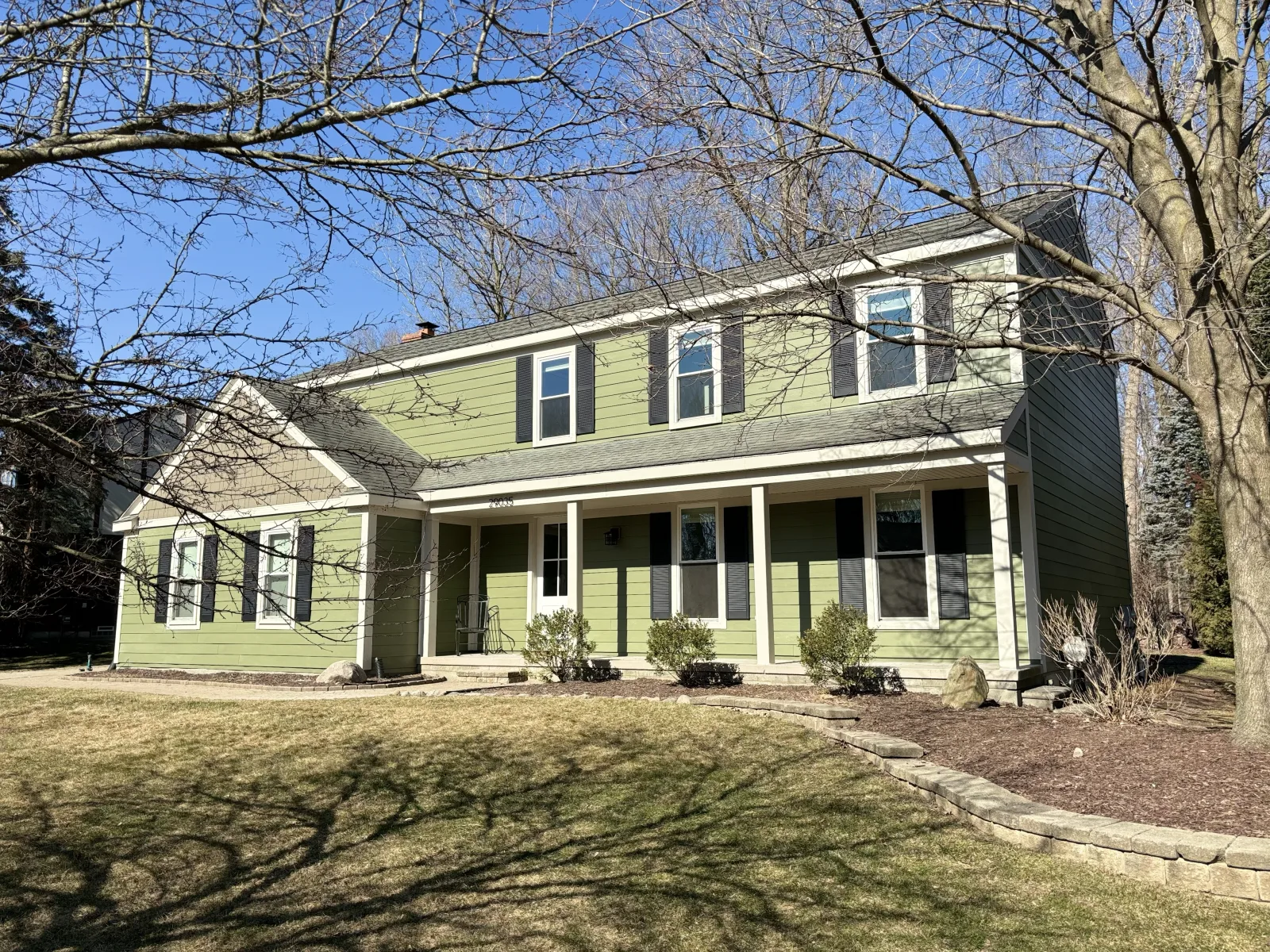
Wood siding doesn’t fail everywhere at once. It fails at the bottom courses where splashback keeps them wet, under window corners where a caulk joint quietly let go, behind the downspout that’s been overshooting its gutter for three springs. The rest of the wall can be perfectly sound. That’s why wood repair done right is surgical: find the soft boards, find the water that made them soft, and fix both.
Our wood siding repair covers rotted and split boards, cupped and loose courses, woodpecker and insect damage, failed caulk joints, and the flashing and drainage problems underneath them. Damaged boards get cut out and replaced with matched stock, primed on every face and edge before they go up, then blended into the wall so the repair doesn’t announce itself.
We repair wood siding across Lansing, East Lansing, Okemos, St. Johns, Grand Ledge, Owosso, and our whole nine-county area. Licensed, insured, never subcontracted, and straight with you about which boards need to come out and which ones just need paint and a better gutter.
What a wood siding repair covers.
- Rot cut-out & board swapSoft wood removed to sound material, matched stock in
- Profile matchingLap, clap, or shake matched so the patch disappears
- Back-primingEvery new board sealed on all faces before it goes up
- Split & cupped boardsRefastened or replaced, with the cause addressed
- Caulk & joint workFailed joints cut out and redone where joints belong
- The water sourceFlashing, gutters, and grade checked so rot stops repeating
A wood repair is only half carpentry.
The carpentry half is real: cutting out damage cleanly, matching the board profile, getting tight joints and correct nailing so the new wood moves with the old. Older mid-Michigan homes carry lap profiles that haven’t been milled in decades, so matching sometimes means sourcing from specialty yards or having a knife ground to match. We do both.
The other half is water. Wood doesn’t rot because it’s old. It rots because something keeps it wet: a missing kick-out flashing, a clogged gutter that sheets water down one wall, sprinklers hitting the same boards every morning, mulch piled over the bottom course. Replace the board without fixing that and you’ve bought the same repair again in five years.
Replace the board without finding the water and you’ve scheduled the same rot for five years out.
So every repair visit traces the water before we quote the wood. You get two answers in writing: what the damaged boards cost to replace, and what the water fix is. Sometimes the water fix is a twenty-minute gutter adjustment we just handle while we’re there.
New boards get primed on every face, edge, and cut before they’re hung, because bare backs and edges are where the next failure starts. Then the repair gets painted to match, feathered into the surrounding wall so the sheen doesn’t flag it.
Done the honest way.
Cut to sound wood
We don’t skim-coat rot with filler and paint. Soft material comes out until the saw hits sound wood, and what goes back is primed on every face.
Matched by profile
Lap width, shadow line, and texture all have to agree with the wall. We source or mill the match instead of hanging something close enough.
Cause before cosmetics
Every quote names the water source that caused the damage and what fixing it takes. Otherwise we’re selling you the same repair on repeat.
Which boards need to come out? An honest triage.
Not every ugly board is a dead board. Peeling paint with sound wood underneath is a paint problem. A hairline split in an otherwise solid board can often be glued, fastened, and sealed. Surface checking on old growth lap is often just character, and sanding it away costs more than it gives.
The probe tells the truth. Wood that takes a screwdriver tip with gentle pressure is done, and so is anything punky around nail lines or joints. Boards stained black at the bottom edge usually have rot starting from the back face where you can’t see it, which is why we pull a suspect board rather than guess from the surface.
Insect and woodpecker damage sits in between. Carpenter bee galleries and woodpecker holes can be filled and sealed if the board is otherwise sound, but repeated woodpecker work on one wall usually means insects inside the wood, and that board needs to come out regardless of how it looks.
If more than a third of a wall needs surgery, we’ll tell you plainly that repair money is starting to compete with re-side money, and show you the math for both, including what modern engineered wood would cost on that exposure. Your call, made with real numbers.
From recent jobs.
Real Anchor work across mid-Michigan, the standard your wood siding project gets. More in the gallery.

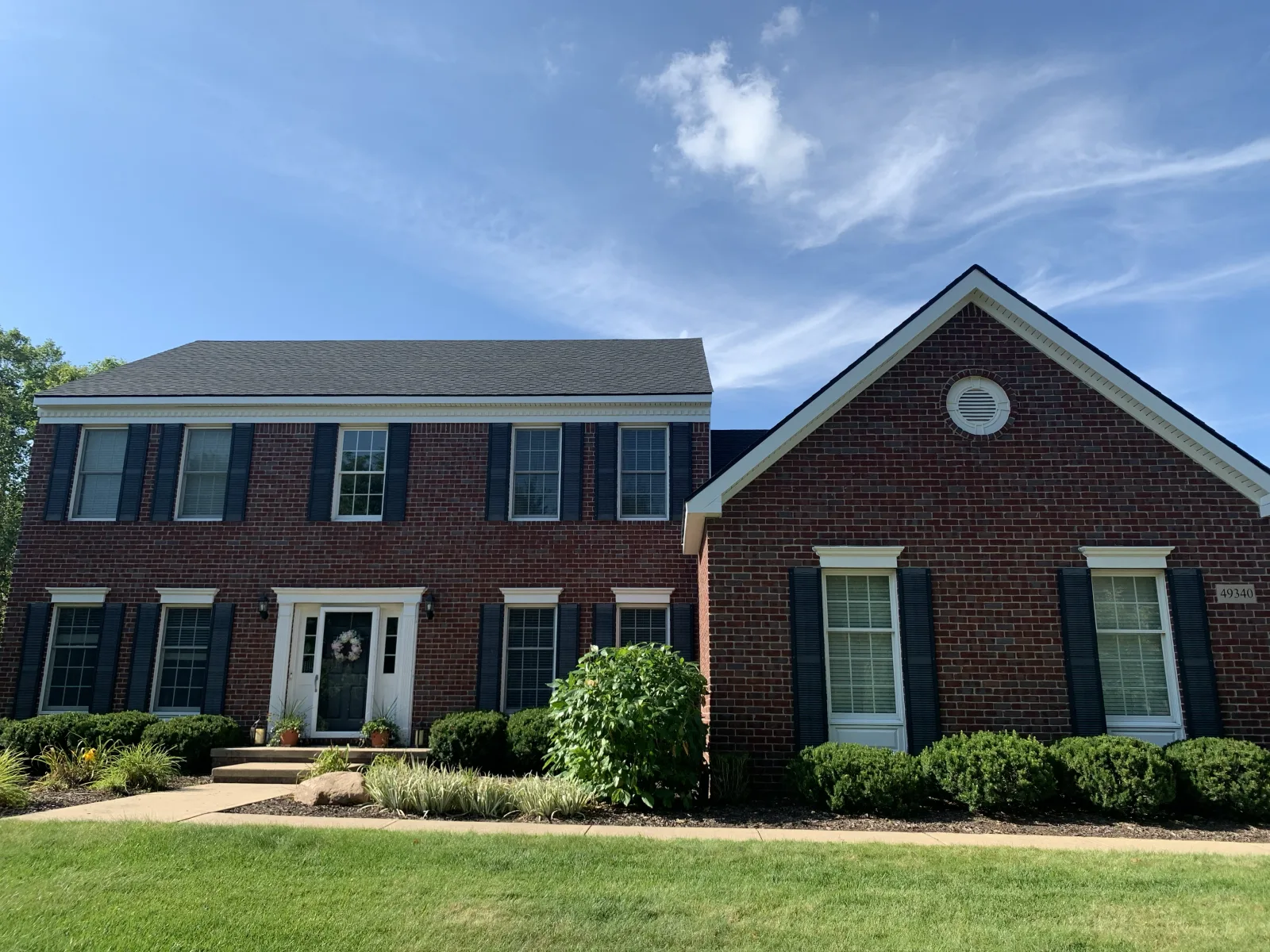
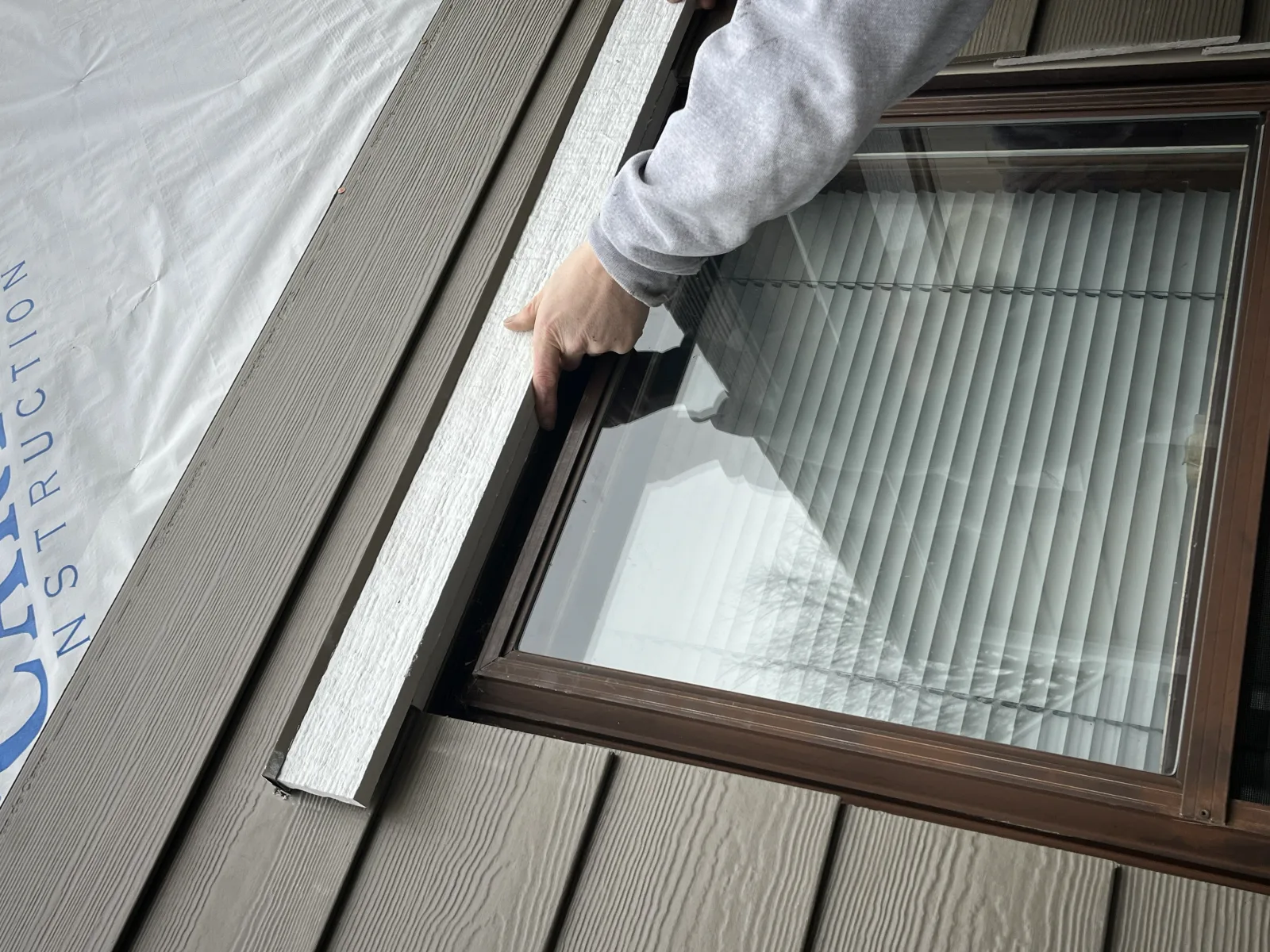
Wood siding repair across mid-Michigan.
Our area’s wood siding lives on its older housing stock: Lansing’s Eastside and Westside foursquares, the Victorian and farmhouse stock around St. Johns, Grand Ledge, and Charlotte, and century homes scattered through every small town on our map. Those walls have earned their keep for eighty or a hundred years, and most of them only need honest triage and a crew that can match a profile.
Mid-Michigan’s water is the recurring villain. Freeze-thaw cycles work caulk joints open, ice dams push meltwater behind fascia and down into wall tops, and spring gutters overflow onto bottom courses. That’s why our repairs come with the water source named and priced, not just the boards.
We run wood repair calls across all nine counties. Bring us a soft spot in Owosso or a woodpecker line in Williamston and the process is identical: probe, photograph, match, and a written scope that fixes cause and carpentry together.
Straight answers about wood siding repair.
No hedging. Here’s the plain version of what homeowners ask us most, and you can see finished work in our gallery.
Can you match my old siding profile?
Almost always. Common lap and clap profiles we source directly, and for older or unusual patterns we work with specialty suppliers who can mill a match. On historic profiles we’ll tell you the sourcing timeline up front so the repair schedule is honest.
Do you just replace boards, or fix why they rotted?
Both, always. Every wood repair quote names the water source we found, whether that’s flashing, gutters, sprinklers, or grade, and what it takes to fix it. Board-only repairs are how the same wall ends up on our schedule every five years, and we’d rather not run that racket.
Can rotted wood be filled instead of replaced?
Small, contained spots on a sound board can take a structural epoxy repair, and we use it where it’s legitimate, like window sills and trim returns. Field boards with real rot get replaced. Filler troweled over soft wood is a paint-day trick, not a repair.
Will the repaired area be visible?
Once the new boards are primed, painted, and feathered into the wall, a good repair reads as part of the house. Where fade or sheen will make a blend imperfect, we say so before starting and suggest the repaint scope that makes it disappear, usually corner to corner rather than the whole wall.
What about woodpecker and insect damage?
We repair it, and we read it first. One hole is a repair. A line of fresh holes on one wall usually means the birds are hunting insects inside the wood, so we check for infestation before closing anything up. Sealed, sound, painted wood is the best deterrent there is.
Is it worth repairing wood siding, or should I switch materials?
If the wall is mostly sound, repair is honest money well spent, and original wood on the right house is worth keeping. When rot keeps recurring or the surgery list gets long, we’ll show you repair math next to engineered wood and fiber cement so you can decide with real numbers. We install all of them, so we have no horse in the race.
Do you handle the repainting after a repair?
Yes. New boards go up primed on every face, and we finish-coat and feather the repair into the surrounding wall. For larger repairs we’ll recommend the repaint scope that hides the blend line, and give you that price in writing alongside the carpentry.
Can you repair siding on older and historic homes?
Yes, and we like the work. Older profiles get matched through specialty suppliers or custom milling, repairs get back-primed and blended, and we’re straight with you about lead-safe practices on older paint. The goal is a repair the house would approve of.
Other things we do.
Serving Lansing, East Lansing, St. Johns and the surrounding counties. See our service area → · Questions? Contact us or call (989) 900-0018.
Got a soft board? Let’s catch it early.
Call the crew for a free look. We’ll probe the wall, find the water, and give you the honest scope in writing.
(989) 900-0018