Fiber Cement vs. Vinyl vs. Engineered Wood Siding: Which Is Right for Your Home?
Fiber cement (James Hardie) is the most durable and weatherproof but costs more. Engineered wood (LP SmartSide) gives you the warmth of real wood with better durability. Vinyl is the most affordable and lowest-maintenance. For Michigan homes, all three work when installed right, the choice comes down to budget, look, and how much maintenance you want.
The three main choices
When it’s time for new siding, most Michigan homeowners are choosing between three materials: fiber cement, engineered wood, and vinyl. We install all three, we’re certified for James Hardie fiber cement and LP SmartSide engineered wood, so we can give you a straight comparison without steering you toward whatever we’d rather sell.
Fiber cement (James Hardie)
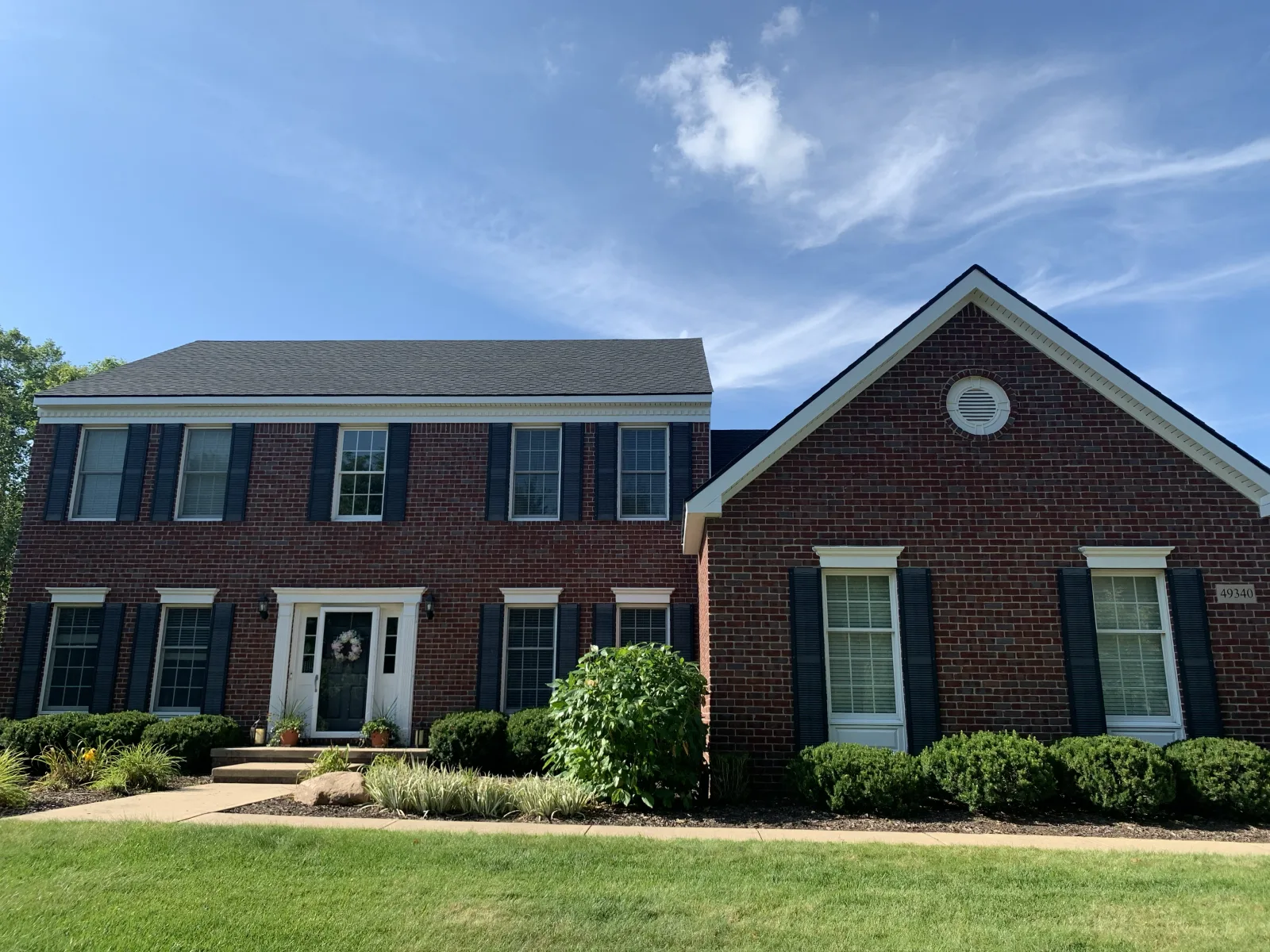
Fiber cement is the premium option. It’s extremely durable, weatherproof, fire-resistant, and holds paint for a long time. It’s engineered to handle Michigan’s freeze-thaw cycles and won’t crack, warp, or feed insects. Homes with fiber cement look substantial, and the material can last 30 to 50 years.
The trade-offs are cost and installation. Fiber cement costs more than vinyl or engineered wood, it’s heavy, and it has to be installed to the manufacturer’s spec, which is why James Hardie certification matters. Installed correctly, it’s the longest-lasting, most weatherproof choice.
Engineered wood (LP SmartSide)
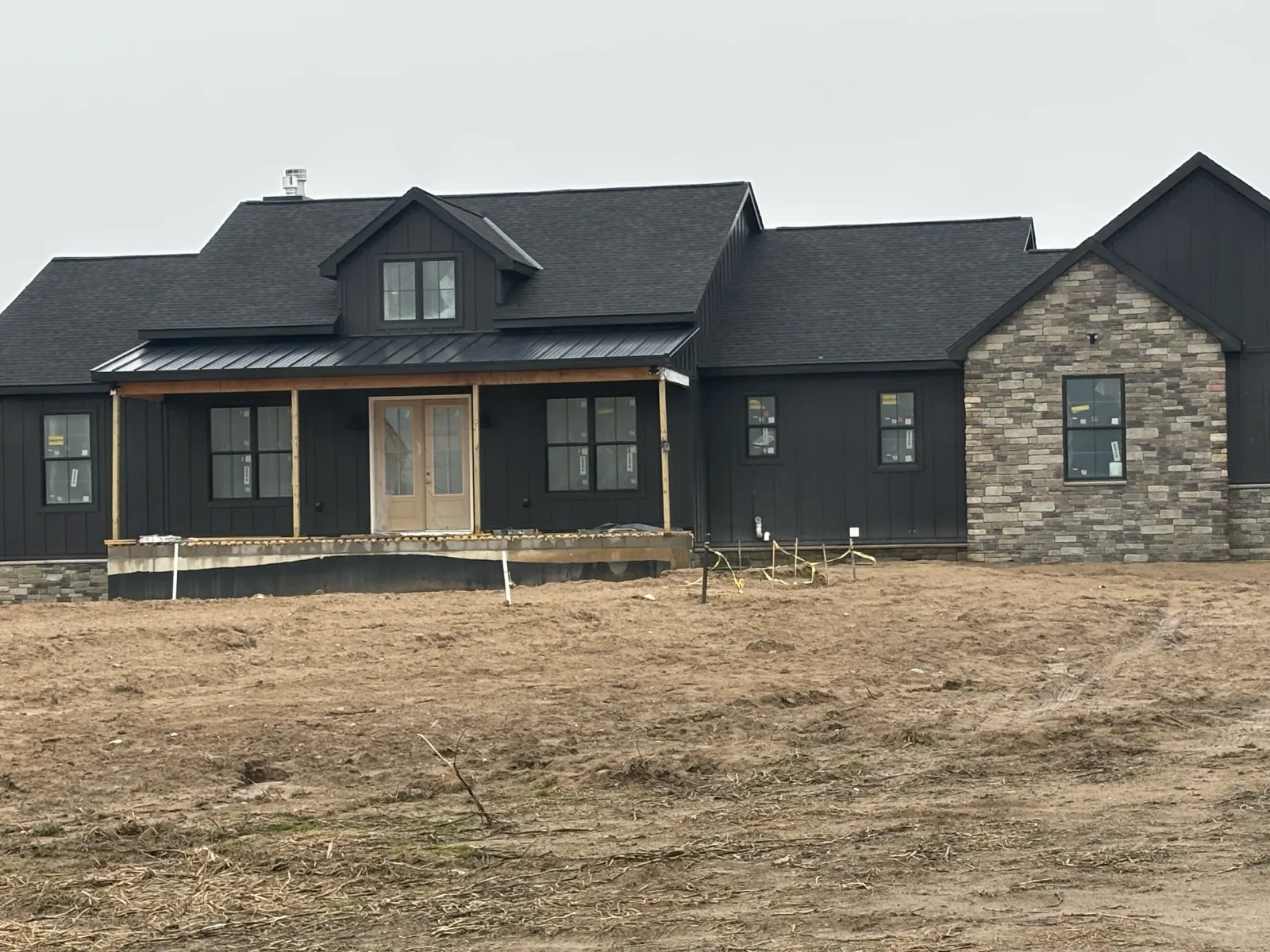
Engineered wood gives you the warmth and texture of real wood with far better durability. It’s treated to resist moisture, rot, and insects, it’s lighter and easier to work with than fiber cement, and it holds up well in our climate. For homeowners who want the look of wood without the maintenance of real wood, it’s an excellent middle ground on both price and performance.
Fiber cement (James Hardie) is the most durable and weatherproof but costs more.
Vinyl
Vinyl is the most affordable and the lowest-maintenance option, it never needs painting and it resists moisture well. Modern vinyl comes in many colors and profiles and looks far better than the vinyl of decades past. The trade-off is that it’s less premium in appearance and durability than fiber cement or engineered wood, and lower-quality vinyl can become brittle in extreme cold.
For a lot of Michigan homes, quality vinyl installed with a proper moisture barrier is a completely sound, cost-effective choice.
How to choose
It comes down to three things: budget, the look you want, and how much maintenance you’re willing to do. If you want the most durable, weatherproof siding and the budget allows, fiber cement. If you want the warmth of wood with less upkeep, engineered wood. If you want the most affordable, lowest-maintenance option, vinyl.
Whatever you choose, the moisture barrier and flashing behind the siding matter as much as the siding itself, that’s the layer that actually keeps the wall dry. We’ll walk you through the options for your home honestly and install whichever you choose the right way.
What upkeep looks like for each
Vinyl asks the least of you. A wash now and then keeps it presentable, and the color goes all the way through the material so scratches do not shout. What it will not forgive is impact in deep cold, when a stray hockey puck or a thrown stone can crack a panel, and strong sun fading darker colors over the years.
LP SmartSide behaves like wood that took discipline. It holds paint well and takes hits better than fiber cement during install and after. Plan on repainting somewhere in the 10 to 15 year range depending on exposure, and keep caulked joints maintained.
James Hardie fiber cement is the most house-proud of the three. Baked-on color holds for a long time, it will not burn or feed insects, and it sits flat and crisp for decades. It costs more up front and demands a certified install, because the cutting, fastening, and clearance details decide whether the warranty means anything.
How we help you choose
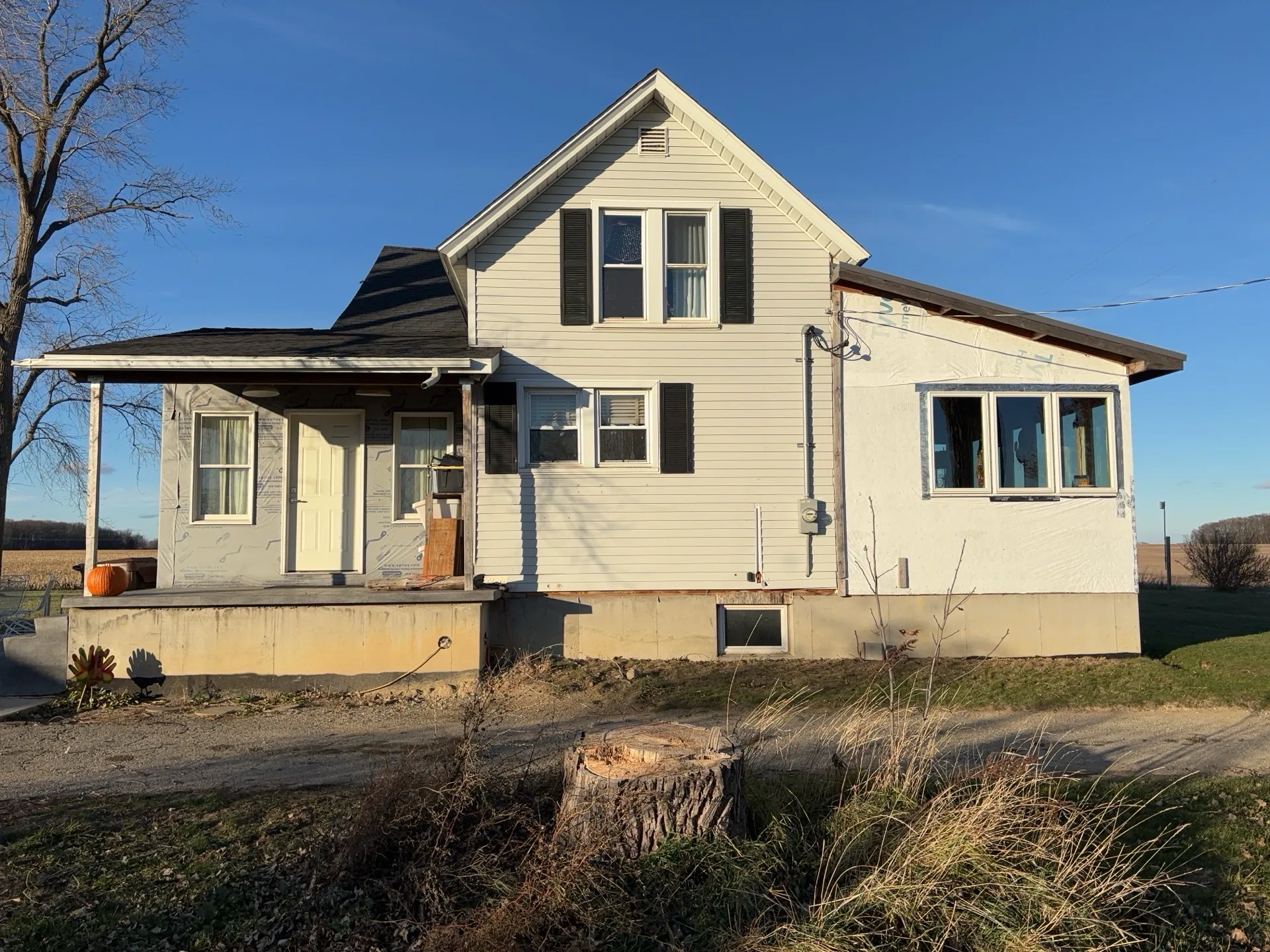
We start with the house, not the catalog. A 1970s ranch in Holt, a farmhouse outside St. Johns, and a newer colonial in Okemos carry different siding profiles well, and the neighborhood matters if you plan to sell.
Then we talk honestly about budget across time, not just the install price. Vinyl wins the first check. Hardie tends to win the twenty-year picture. SmartSide sits between, with the warmest look per dollar. There is no universally right answer, which is exactly why a company that only pushes one product is telling you about their margins, not your house.
Every option we install comes with the same underneath: moisture barrier, flashing, and trim details done to spec by our own crew. The brand on the box matters less than the hands on the wall, and we are certified by all three manufacturers so you get to pick on the merits.
What install quality changes for each
Vinyl has to hang loose. Nailed tight, it cannot expand across a July afternoon, so it buckles and waves. The gaps, the nailing slots, and the clearances are the whole craft, which is why a cheap vinyl install advertises itself from the street.
SmartSide and Hardie are less forgiving of water mistakes. Both depend on correct gaps, sealed cut ends, and flashing details at every joint and penetration, and Hardie adds its own cutting and fastening spec on top. Certified installers follow those specs because the warranties require it; everyone else is improvising with your walls.
That is the honest reason material debates matter less than people think. The best siding installed casually underperforms the cheapest siding installed correctly. We are certified across all three so the install is the constant, and the material becomes a genuine choice about your house, your budget, and your taste.
Whichever material you land on, insist on seeing the details in the written scope: the moisture barrier, the flashing plan, the clearances, and the manufacturer spec the install will follow. Those lines are what separate a wall that lasts thirty years from one that starts complaining in eight, and any contractor who is doing them anyway will be glad to write them down. We put them in every Anchor siding quote as a matter of habit, because that is where the real money lives.
Common Questions
What is the most durable siding for Michigan?
Fiber cement (like James Hardie) is the most durable and weatherproof, engineered to handle freeze-thaw cycles and lasting 30 to 50 years. It costs more but holds up the longest.
Is fiber cement worth the extra cost?
For homeowners who want maximum durability and a premium look and plan to stay in the home, often yes. It lasts longer and needs less maintenance than the alternatives, though vinyl and engineered wood are sound choices at lower cost.
What’s the difference between engineered wood and real wood?
Engineered wood (LP SmartSide) is manufactured to resist moisture, rot, and insects, so it gives you the warmth and texture of wood with far less maintenance and better durability than natural wood.
Is vinyl siding a good choice in Michigan?
Yes, quality vinyl installed with a proper moisture barrier is a sound, cost-effective choice. Choose a good-quality product, since low-grade vinyl can become brittle in extreme cold.
Does the siding material matter more than the installation?
No, the installation matters most. The moisture barrier and flashing behind the siding are what keep the wall dry. Even premium siding fails if it’s installed wrong, which is why certification and careful work matter.
Want an honest look at your roof?
Call the crew for a free, no-obligation assessment. We’ll tell you straight up what your home needs.
(989) 900-0018 Or send us a note about your project →